Are you wondering if ClickUp integrates with Microsoft Teams to boost your team’s productivity? If you rely on both platforms to manage tasks and communicate, connecting them could save you time and keep everyone on the same page.
Imagine having your ClickUp tasks, updates, and notifications appear directly within your Teams chats—no more switching back and forth between apps. You’ll discover how ClickUp and Teams work together, what features you can expect, and why this integration might be the game-changer your workflow needs. Ready to streamline your work and maximize your team’s efficiency? Let’s dive in! And if you’re eager to get started right away, check out ClickUp here—the all-in-one productivity platform that can replace all your apps with one powerful tool.

Credit: www.youtube.com
Introduction To Clickup And Microsoft Teams Integration
The integration between ClickUp and Microsoft Teams combines powerful tools to boost productivity. Teams can manage tasks and communicate without switching apps. This connection helps keep everyone updated in real time. It simplifies workflows by syncing tasks and messages seamlessly.
Overview Of Clickup As A Productivity Platform
ClickUp is an all-in-one productivity platform designed to replace multiple apps. It brings together tasks, documents, goals, and chats into one place. The platform aims to maximize human productivity by offering flexible task management and automation.
- Task and project tracking
- Document sharing and collaboration
- Time management and goal setting
- Customizable workflows and automation
ClickUp saves time by reducing app switching and organizing work clearly.
Purpose And Benefits Of Integrating Clickup With Microsoft Teams
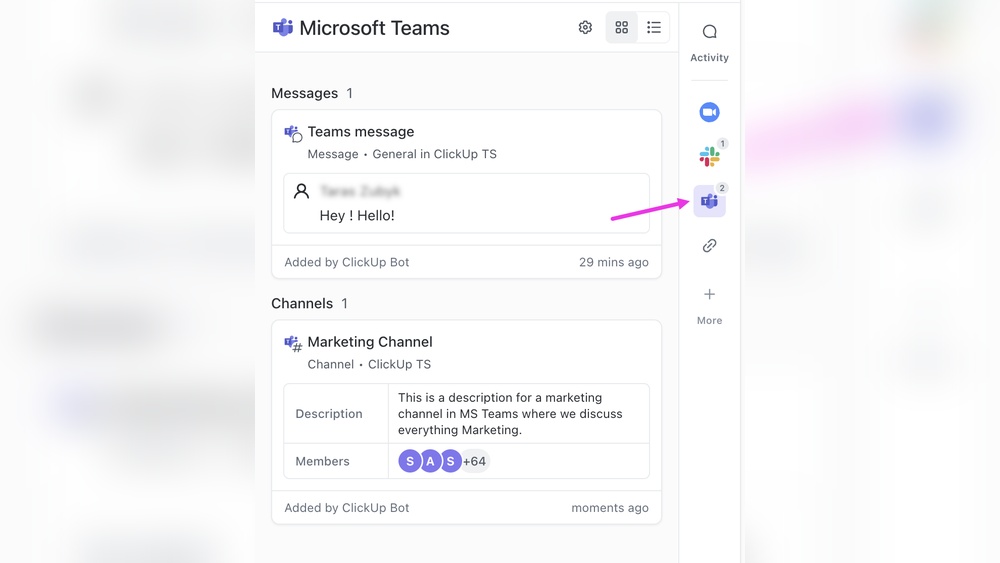
The integration connects ClickUp’s task management with Microsoft Teams’ communication. It allows users to receive ClickUp notifications and updates inside Teams channels or chats. This keeps the team informed without leaving the chat environment.
| Purpose | Benefit |
|---|---|
| Sync ClickUp tasks with Teams | Stay updated on project progress |
| Send ClickUp activity messages to Teams | Improve communication flow |
| Access task details from Teams | Save time switching apps |
How Integration Enhances Seamless Collaboration
The integration allows teams to work together smoothly by linking tasks and conversations. Team members can comment on tasks and see updates directly in Teams. This creates a single workspace for action and discussion.
- ClickUp activity alerts post in chosen Teams channels
- Users can quickly respond or update tasks from Teams
- Reduces communication delays and task mismanagement
Teams stay aligned, and project visibility improves. Collaboration becomes simple and efficient.
Key Features Of Clickup And Microsoft Teams Integration
ClickUp and Microsoft Teams work together to streamline team collaboration and task management. This integration helps teams stay organized, communicate clearly, and track progress without switching apps. The combined power of these tools boosts productivity by connecting tasks, chats, and updates in one place.
Real-time Activity Syncing Between Clickup And Teams
Activity in ClickUp syncs instantly with Microsoft Teams. Actions like task creation, updates, or comments appear as messages in Teams channels or chats. This keeps everyone informed about project changes without leaving Teams.
- Syncs specific Spaces, Folders, or Lists from ClickUp
- Updates appear as clear, timely messages in Teams
- Ensures all team members see the latest activity
Creating And Managing Clickup Tasks Directly From Teams
Users can create new ClickUp tasks right inside Microsoft Teams. Task details like due dates, assignees, and descriptions can be added without switching apps. Teams members can also update task status and comments directly from Teams chats.
- Create tasks using simple commands or forms
- Edit task details within Teams interface
- Assign tasks to team members instantly
Receiving Clickup Notifications And Updates Within Teams Chats
Notifications from ClickUp deliver task reminders, comments, and status changes straight to Teams chats. This feature reduces missed updates and helps teams respond quickly to changes.
- Receive alerts for assigned tasks and deadlines
- Get real-time comments and progress updates
- Customize which notifications appear in Teams
Using Chatbots To Access Clickup Data In Microsoft Teams
Chatbots in Teams allow quick access to ClickUp information through simple messages. Users can ask for task lists, project statuses, or other data without leaving their chat window.
- Retrieve task details by typing commands
- Search projects and assignments via chatbot
- Speed up data access with natural language queries
Customizable Workflow Automation Between Both Platforms
Automation links ClickUp and Teams to reduce manual work. Teams can trigger actions in ClickUp, such as creating tasks from messages or updating statuses automatically. This helps keep workflows smooth and efficient.
| Automation Type | Example |
|---|---|
| Task Creation | Create ClickUp tasks from Teams messages |
| Status Updates | Auto-update task status based on Teams activity |
| Notifications | Send ClickUp alerts to specific Teams channels |
Teams can tailor these automations to fit their unique project needs. This saves time and keeps work aligned across platforms.
Pricing And Affordability Of Clickup And Teams Integration
The integration between ClickUp and Microsoft Teams offers flexible options for teams of all sizes. Understanding the pricing helps decide the best plan for your needs. Both tools offer free and paid tiers, making the integration accessible to many users. The costs depend on your ClickUp subscription and any additional Microsoft Teams expenses.
Availability Of Integration Across Clickup Plans
ClickUp’s integration with Microsoft Teams is available on most plans. The Free Plan allows basic integration features, such as syncing activity and sending notifications to Teams channels.
Paid plans like Unlimited, Business, and Enterprise unlock advanced features:
- More automation options
- Increased task limits
- Customizable notifications
Teams can pick a plan based on the scale of their projects and the integration depth required.
Cost Implications For Microsoft Teams Users
Microsoft Teams itself offers a free tier with limited features. Paid Teams subscriptions provide:
- Enhanced collaboration tools
- Increased storage
- Advanced security
Integrating ClickUp does not add extra Microsoft fees but may require a higher ClickUp plan for full functionality. Organizations using Microsoft 365 Business or Enterprise plans will find Teams integration seamless without additional cost.
Third-party Tools Like Zapier For Extended Integration Options
Zapier can connect ClickUp and Teams beyond native capabilities. It offers automated workflows across many apps. Zapier pricing tiers include:
| Plan | Monthly Price | Tasks per Month | Features |
|---|---|---|---|
| Free | $0 | 100 | Basic Zaps, 15-min update time |
| Starter | $19.99 | 750 | Multi-step Zaps, 15-min update time |
| Professional | $49 | 2,000 | Advanced features, 2-min update time |
Using Zapier adds costs but extends integration flexibility for complex workflows.
Comparing Value Against Similar Project Management Integrations
ClickUp’s integration with Teams competes well with other tools like Asana, Trello, and Monday.com. Key value points include:
- All-in-one platform: ClickUp combines tasks, docs, and chat.
- Flexible pricing: Wide range of plans for small to large teams.
- Native integration: Direct syncing with Microsoft Teams reduces delays.
- Customization: Tailored notifications and automations.
This balance of features and price makes ClickUp a solid choice for Teams users seeking productivity gains.
Credit: help.clickup.com
Pros And Cons Based On Real-world Usage
Integrating ClickUp with Microsoft Teams offers a mix of benefits and challenges. Users experience better communication and task handling but face some setup and access issues. Real feedback sheds light on performance and feature gaps compared to native Teams tools.
Advantages: Improved Team Communication And Task Management
ClickUp integration with Teams helps centralize messages and task updates. Teams receive real-time notifications from ClickUp directly within their chat channels. This reduces the need to switch between apps and keeps everyone aligned.
- Automatic updates on task progress and deadlines.
- Easy sharing of ClickUp tasks inside Teams conversations.
- Better visibility for managers on team workload and status.
- Simplified collaboration by linking ClickUp Spaces, Folders, and Lists.
Teams save time and avoid missed updates by syncing work in one place.
Challenges: Setup Limitations And Access Restrictions For Guests
Some users find the integration setup process complex and limited. Connecting specific Spaces or Lists requires manual configuration. This can be confusing for new users.
Access control is another issue. Guests or external collaborators have restricted permissions. They may not see all ClickUp updates inside Teams, which limits cross-organization teamwork.
| Challenge | Effect |
|---|---|
| Manual setup required for each Workspace section | Time-consuming and error-prone |
| Guest access limited | Reduced collaboration with external partners |
User Feedback On Integration Stability And Performance
Users report that the integration generally works well but can have occasional delays in message delivery. Notifications sometimes appear late or miss updates.
Performance depends on Teams’ and ClickUp’s server status. Most users find it stable for daily use but note occasional glitches during peak times.
- Reliable for task notifications and status updates.
- Minor delays in syncing messages reported by some teams.
- Good overall uptime but occasional performance dips.
Potential Gaps Compared To Native Microsoft Teams Features
ClickUp integration lacks some native Teams functionalities. For example, it cannot fully replace Teams’ built-in task tools or deep chat features.
- No advanced meeting or calendar sync with ClickUp tasks.
- Limited support for Teams-specific apps and bots within ClickUp notifications.
- Some ClickUp task actions require switching back to the ClickUp app.
Teams users may find these gaps limiting when expecting seamless, full-featured integration.
Recommendations For Ideal Users And Use Cases
ClickUp integration with Microsoft Teams suits teams aiming to improve collaboration and task tracking. It fits best for groups managing diverse tasks across departments. Understanding who benefits most helps decide if this integration matches your workflow.
Best Fit: Teams Managing Complex, Cross-functional Projects
Teams handling complex projects with multiple departments gain the most from this integration. ClickUp’s task management combined with Teams’ communication creates a unified workspace. This setup helps:
- Track project progress in real-time
- Share updates instantly across teams
- Coordinate tasks without switching apps
Project managers, marketing teams, and product development groups benefit greatly. They handle many moving parts and need clear communication channels.
Scenarios Where Integration Maximizes Productivity
Integration shines when teams require:
- Automatic task notifications in Teams channels
- Quick access to task details without leaving chat
- Centralized updates to reduce email overload
Use cases include sprint planning, client feedback loops, and daily stand-ups. Notifications about task changes or comments keep everyone aligned.
Who Should Consider Alternative Solutions Or Additional Tools
Small teams with simple workflows might not need this integration. If your tasks are few and communication is straightforward, native Teams features may suffice.
Also, teams needing advanced reporting or specialized tools might add software alongside ClickUp. For example:
| Team Type | Recommended Tools | Reason |
|---|---|---|
| Sales Teams | CRM software | For detailed customer tracking |
| Creative Teams | Design collaboration tools | Better visual project reviews |
| Remote Teams | Video conferencing apps | Enhanced real-time communication |
Tips For Optimizing Collaboration Using Both Platforms
- Set up clear notification rules. Avoid overload by choosing key updates to push into Teams channels.
- Organize tasks into relevant Spaces and Lists. Keep Teams messages focused on current priorities.
- Use ClickUp comments linked to Teams chats. This keeps conversations connected to specific tasks.
- Schedule regular check-ins in Teams. Use task dashboards from ClickUp during meetings.
- Train team members. Ensure everyone understands how to use both tools together effectively.
Following these tips helps teams stay productive and aligned without app switching.
Conclusion: Maximizing Team Collaboration With Clickup And Microsoft Teams
Combining ClickUp and Microsoft Teams creates a powerful collaboration environment. Teams can manage projects and communicate without switching apps. This integration helps keep everyone updated and aligned on tasks.
Summary Of Integration Benefits And Features
The ClickUp integration with Microsoft Teams offers several key benefits:
- Real-time task updates: Activities from ClickUp appear as messages in Teams.
- Focused collaboration: Sync specific Spaces, Folders, or Lists to Microsoft Teams channels.
- Centralized communication: Discuss tasks and projects directly within Teams.
- Improved visibility: Team members stay informed about task progress instantly.
- Time savings: Reduces the need to switch between apps.
| Feature | Benefit |
|---|---|
| ClickUp Activity Feed | Automatic updates in Teams channels |
| Task Commenting | Direct conversations on tasks inside Teams |
| Custom Sync Options | Choose which ClickUp elements sync with Teams |
| Notifications | Instant alerts for task changes |
Final Thoughts On Seamless Workflow Enhancement
Integrating ClickUp with Microsoft Teams reduces workflow friction. Teams work faster by keeping tasks and chats in one place. Everyone can track progress and contribute without delays.
This integration suits teams of all sizes aiming to boost productivity. It creates a unified workspace that supports task management and communication together.
Future Prospects And Updates To Watch For
ClickUp and Microsoft Teams continue to improve integration features. Watch for updates that may include:
- Deeper automation between task updates and Teams notifications.
- More granular control over synced data and permissions.
- Enhanced support for AI and smart suggestions within Teams.
- New templates and workflows combining both platforms.
Stay informed to leverage new tools that simplify team collaboration even further.

Credit: clickup.com
Frequently Asked Questions
Can Clickup Be Integrated With Teams?
Yes, ClickUp integrates with Microsoft Teams. It sends ClickUp activity as messages and allows task creation directly within Teams.
Does Clickup Work With Microsoft?
Yes, ClickUp works with Microsoft by integrating seamlessly with Microsoft Teams. It syncs tasks and updates directly within Teams chats. This integration improves team collaboration and keeps everyone informed about project progress efficiently.
What Does Microsoft Teams Integrate With?
Microsoft Teams integrates with apps like ClickUp, Trello, SharePoint, OneDrive, Outlook, and many third-party tools for seamless collaboration.
Is Clickup Better Than Teams?
ClickUp excels in task management, customization, and automation. Teams focuses on communication and collaboration. Choose ClickUp for complex workflows; Teams for messaging and meetings. Integrating both enhances productivity.
Conclusion
ClickUp integrates well with Microsoft Teams to boost team collaboration. You can sync tasks, spaces, and updates directly into Teams chats. This keeps everyone informed without switching apps. The integration works on all ClickUp plans and is easy to set up. Using both tools together helps teams manage projects smoothly. For those wanting a unified workspace, ClickUp offers great options. Learn more about ClickUp and its features at ClickUp. Try combining ClickUp with Teams to improve your workflow today.