When it comes to managing your tasks and boosting productivity, choosing the right tool can make all the difference. You might already be familiar with Google Tasks—a simple, straightforward app that fits nicely if you live within the Google ecosystem.
But what if you need more than just basic to-do lists? That’s where ClickUp steps in. It’s not just a task manager; it’s a powerful all-in-one productivity platform designed to replace all your apps, AI agents, and even human collaboration—all in one customizable workspace. If you’re serious about maximizing your productivity and want a tool that grows with your needs, you owe it to yourself to explore what ClickUp offers. Ready to see how it stacks up against Google Tasks? Dive in and discover which tool fits your workflow best. Check out ClickUp here and unlock your productivity potential: ClickUp
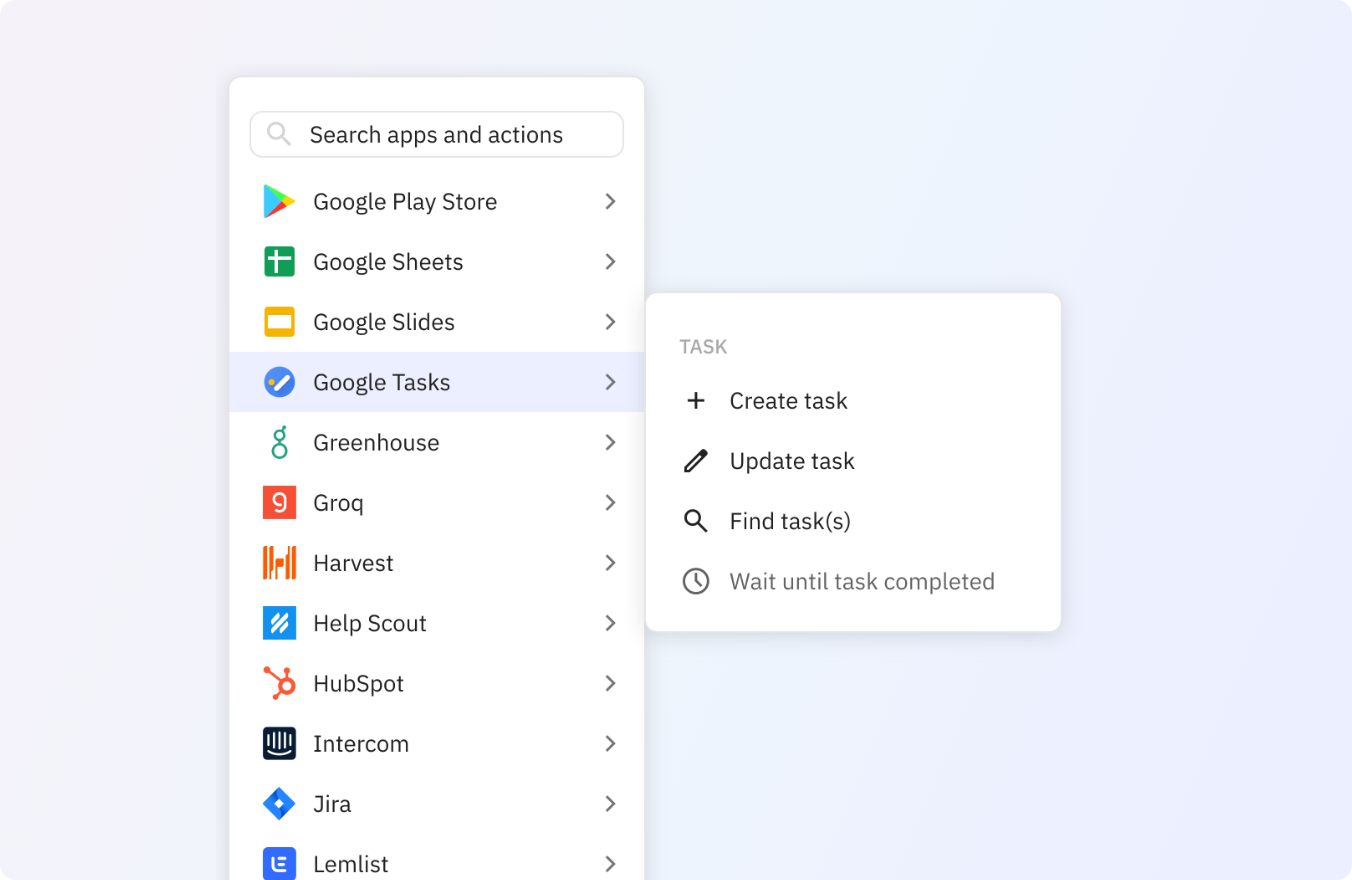
Credit: www.relay.app
Introduction To Google Tasks And Clickup
Understanding task management tools helps improve productivity. Google Tasks and ClickUp serve different needs. One is simple and focused, the other is a full productivity platform. This section introduces both tools to help you choose the right fit.
Overview Of Google Tasks: Purpose And Core Functionality
Google Tasks is a lightweight task management app. It helps users create and organize simple to-do lists. The app integrates tightly with Google services like Gmail and Google Calendar.
Key features include:
- Create tasks and subtasks easily.
- Set due dates and reminders.
- Sync tasks across devices automatically.
- Simple interface focused on quick task entry.
Google Tasks works best for users who want a straightforward tool within the Google ecosystem.
Introduction To Clickup: An All-in-one Productivity Platform
ClickUp is a comprehensive productivity platform. It combines project management, docs, whiteboards, and automation in one workspace. The platform aims to replace multiple apps with one solution.
Core functionalities include:
- Task and project management with customizable views.
- Document creation and real-time collaboration.
- Automation to save time on repetitive work.
- Integration with many external apps and AI agents.
ClickUp suits teams and individuals needing advanced organization and collaboration tools.
Why Comparing Google Tasks And Clickup Matters In 2026
Choosing the right task manager impacts daily productivity. Google Tasks offers simplicity, ideal for basic task tracking and Google users. ClickUp provides robust features for complex workflows and team projects.
In 2026, productivity tools must adapt to hybrid work and diverse needs. Comparing these tools helps users:
- Identify which tool matches their workflow.
- Understand trade-offs between simplicity and functionality.
- Make informed decisions to save time and effort.
This comparison supports maximizing productivity in a fast-changing work environment.
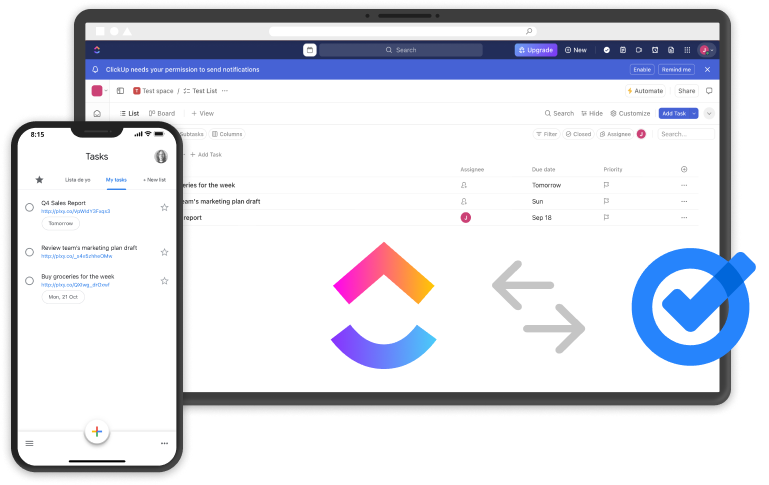
Credit: www.pleexy.com
Key Features Of Google Tasks And Their Benefits
Google Tasks stands out as a straightforward and efficient tool for managing daily tasks. Its features focus on simplicity and seamless connection with other Google services. These features help users stay organized, productive, and on track without complexity.
Below are the key features of Google Tasks and how they benefit users in everyday task management.
Seamless Integration With Google Ecosystem: Gmail And Calendar Synchronization
Google Tasks integrates smoothly with Gmail and Google Calendar. Users can create tasks directly from emails in Gmail. This reduces the need to switch apps and saves time.
Tasks automatically appear in Google Calendar on their due dates. This synchronization offers a clear overview of deadlines and planned work. The integration makes managing emails and events easier and more efficient.
Simple Task Management: Creating, Organizing, And Managing To-do Lists
Google Tasks offers an easy way to create and organize to-do lists. Users can:
- Add tasks with titles and details
- Create subtasks for complex activities
- Arrange tasks in custom lists
This simplicity helps users focus on what matters. The interface avoids distractions and allows quick task updates.
Cross-device Syncing: Staying Productive Anywhere
Google Tasks syncs instantly across all devices linked to the user’s Google account. Changes made on a phone reflect immediately on a computer or tablet.
This feature supports productivity on the go. Users can access and update tasks anytime, whether at home, office, or traveling.
Reminders And Notifications: Ensuring Timely Task Completion
Users can set reminders for each task. Google Tasks sends notifications to alert users about upcoming deadlines.
These reminders reduce the chance of forgetting important tasks. Timely alerts help maintain a steady workflow and meet deadlines reliably.
Unique Features Of Clickup And Their Advantages
ClickUp offers a broad range of unique features designed to boost productivity for individuals and teams. Unlike simple task apps, ClickUp combines multiple tools in one platform. This helps users manage projects, communicate, and automate tasks efficiently.
The platform’s flexibility and depth make it suitable for different workflows and business sizes. Below, explore ClickUp’s key features and their clear benefits.
Customizable Workspaces: Tailoring Productivity To Your Needs
ClickUp lets users design custom workspaces that fit specific needs. You can arrange tasks, folders, and projects to match your style.
- Create unique dashboards for personal or team use.
- Adjust task statuses, priorities, and labels easily.
- Use templates to standardize common workflows.
This customization improves focus and reduces clutter. Everyone works in an environment that suits their tasks and goals.
Comprehensive Project Management: Docs, Whiteboards, And Automation
ClickUp combines several tools in one place:
| Feature | Description | Advantage |
|---|---|---|
| Docs | Create, edit, and share documents inside ClickUp. | Centralizes information and reduces app switching. |
| Whiteboards | Visualize ideas and plans with interactive boards. | Supports brainstorming and creative collaboration. |
| Automation | Set rules to automate repetitive actions. | Saves time and lowers human error. |
Team Collaboration Tools: Enhancing Communication And Workflow
ClickUp improves team work with built-in tools:
- Comments on tasks allow clear, direct feedback.
- Real-time chat keeps conversations active and focused.
- Assign tasks and track progress transparently.
These features reduce email overload and keep everyone aligned. Teams spend less time searching for information.
Advanced Task Views: Boards, Lists, And Timelines For Visual Management
Different projects need different views. ClickUp offers:
- Boards: Kanban-style boards for visual task flow.
- Lists: Simple, organized task lists for clarity.
- Timelines: Gantt charts to plan schedules and deadlines.
Switch views easily to match your project needs. Visual management helps spot bottlenecks and prioritize work better.
Automation Capabilities: Reducing Manual Work And Increasing Efficiency
ClickUp’s automation features handle repetitive tasks automatically. Examples include:
- Changing task status after completion.
- Assigning tasks based on triggers.
- Sending reminders or notifications.
Automations reduce manual effort and speed up workflows. Teams can focus on higher-value work instead of routine tasks.
Pricing And Affordability Breakdown
Choosing the right task management tool depends heavily on pricing and value. Both Google Tasks and ClickUp offer distinct pricing models that cater to different user needs. Understanding these can help users pick a tool that fits their budget and requirements.
Google Tasks: Free And Accessible For All Users
Google Tasks comes at no cost, making it fully accessible to anyone with a Google account.
- Free to use with no hidden charges.
- Seamless integration with Gmail, Google Calendar, and other Google services.
- Basic task management features: to-do lists, reminders, and task organization.
- Syncs across all devices where the user is signed into their Google account.
This simplicity and zero price make Google Tasks ideal for individuals or small teams needing straightforward task tracking.
Clickup Pricing Tiers: Free Plan To Enterprise Solutions
ClickUp offers multiple pricing tiers to meet a variety of user needs, from personal use to large enterprises.
| Plan | Cost (per user/month) | Key Features |
|---|---|---|
| Free | $0 | Unlimited tasks, 100MB storage, limited integrations |
| Unlimited | $5 | Unlimited storage, integrations, dashboards, goals |
| Business | $12 | Advanced automation, custom exporting, workload view |
| Enterprise | Custom pricing | Advanced security, white-labeling, dedicated support |
ClickUp’s range of plans provides flexibility for users needing more complex project management tools.
Cost Vs. Feature Value: Which Offers Better Roi For Users?
Google Tasks offers excellent value for users needing simple task management.
- Free access with solid integration into Google’s ecosystem.
- Best for users focused on personal productivity and light task tracking.
ClickUp provides more features but comes at a cost starting from $5 per user.
- Offers advanced project management, automation, and customization.
- Higher plans suit teams needing collaboration and workflow automation.
- The investment pays off for businesses requiring comprehensive productivity tools.
Summary Table:
| Aspect | Google Tasks | ClickUp |
|---|---|---|
| Price | Free | Free to $12+ per user/month |
| Best For | Simple task lists, personal use | Teams, complex projects, automation |
| Feature Depth | Basic | Advanced |
| Value for Money | High for basic needs | High for advanced needs |
Choosing depends on task complexity and budget. Google Tasks suits simple needs. ClickUp fits users wanting more features and collaboration.
Pros And Cons Based On Real-world Usage
Evaluating Google Tasks and ClickUp in real-world settings reveals clear differences. Each serves different needs and user types. Understanding strengths and weaknesses helps choose the right tool. This section breaks down practical pros and cons for everyday productivity and complex projects.
Google Tasks: Strengths And Limitations In Everyday Productivity
Google Tasks offers a simple, clean interface. It integrates smoothly with Gmail and Google Calendar. This makes task creation and management easy for users already in the Google ecosystem.
- Strengths:
- Fast task entry and editing
- Automatic syncing across devices
- Seamless Google service integration
- Free and straightforward to use
- Limitations:
- Limited features for complex projects
- No built-in collaboration tools
- Basic task organization only
- Lacks automation or advanced views
Google Tasks fits well for personal to-do lists and simple reminders. It lacks advanced options needed for team projects or detailed workflows.
Clickup: Advantages And Challenges In Complex Project Management
ClickUp is a powerful platform combining project management, docs, and automation. It suits teams handling multiple projects and workflows.
- Advantages:
- Highly customizable workspace
- Supports task dependencies and priorities
- Built-in collaboration and communication
- Includes docs, whiteboards, and automation
- Integrates with many tools beyond Google
- Challenges:
- Steeper learning curve for new users
- Can feel overwhelming with many features
- Requires setup to fit specific workflows
ClickUp excels in managing complex projects. It demands time to configure but offers extensive control for teams.
User Feedback Highlights: What Users Appreciate And Wish Improved
| Aspect | Google Tasks | ClickUp |
|---|---|---|
| What Users Appreciate |
|
|
| What Users Wish Improved |
|
|

Credit: www.youtube.com
Ideal Users And Use Case Recommendations
Choosing the right productivity tool depends on user needs and work style. Both Google Tasks and ClickUp serve distinct audiences. Understanding ideal users helps match features with daily workflows. This section clarifies who benefits most from each platform.
Who Should Choose Google Tasks: Simplicity And Google Ecosystem Users
Google Tasks suits individuals seeking a simple, no-frills task manager. It works best for users already invested in the Google ecosystem.
- People who want easy task creation inside Gmail and Google Calendar
- Users preferring a clean, straightforward interface without complex options
- Those needing quick reminders and device syncing
- Individuals managing personal or light work tasks
Google Tasks focuses on basic to-do lists and minimal distractions. It’s ideal for users who want to stay inside Google’s environment without switching apps.
Best Scenarios For Clickup: Teams Needing Customization And Collaboration
ClickUp targets teams and individuals requiring flexible project management and collaboration tools.
- Businesses needing task assignment, timelines, and progress tracking
- Users who want to combine docs, whiteboards, and automation in one platform
- Teams that value customizable workflows and views
- Groups aiming to replace multiple apps with a unified workspace
ClickUp fits organizations managing complex projects. It supports team communication and integration with various tools. Its customization options adapt to diverse workflows.
When To Consider Alternatives: Exploring Other Productivity Tools
Neither Google Tasks nor ClickUp fits every user. Some require different features or simplicity levels.
Consider other tools if:
- You need advanced task filtering and automation beyond ClickUp’s scope
- You want a minimalist app but with more features than Google Tasks
- Your team requires specialized tools like time tracking or budget management
- Cross-platform offline access is a priority
Exploring options like Todoist, Asana, or Microsoft To Do may provide the right balance between simplicity and power.
Conclusion: Making The Right Choice For Your Productivity Needs
Choosing the right tool shapes how you manage daily tasks and projects. Google Tasks and ClickUp serve different user needs. Picking the best one depends on your work style and goals.
Summary Of Key Differences And Strengths
| Feature | Google Tasks | ClickUp |
|---|---|---|
| Purpose | Simple task management and to-do lists | All-in-one productivity platform with project management, docs, and automation |
| Integration | Seamless with Google apps like Gmail and Calendar | Integrates multiple tools and apps, customizable workflows |
| Features | Basic reminders, task creation, and syncing across devices | Advanced features including task dependencies, whiteboards, and team collaboration |
| Ease of Use | Simple and intuitive for beginners | Rich in features but requires learning time |
| Pricing | Free | Free tier available; paid plans for advanced use |
Factors To Consider Before Deciding
- Your Task Complexity: Simple lists or complex projects?
- Collaboration Needs: Solo use or teamwork?
- Integration Requirements: Need to connect with Google apps or multiple platforms?
- Learning Curve: Prefer quick setup or willing to invest time?
- Budget: Free tool enough or need premium features?
Final Thoughts On Google Tasks Vs Clickup In 2026
Google Tasks fits users wanting a straightforward, no-fuss task list. It works best inside the Google ecosystem.
ClickUp suits those needing a robust, all-in-one workspace. It adapts to various workflows and team sizes.
Choosing depends on whether simplicity or versatility drives your productivity. Align your choice with your daily routines and future plans.
Frequently Asked Questions
What Is The Difference Between Clickup And Google Tasks?
ClickUp offers comprehensive project management with docs, automation, and collaboration tools. Google Tasks focuses on simple task lists and integrates tightly with Google apps.
Is There Anything Better Than Google Tasks?
Yes, apps like Todoist offer advanced features beyond Google Tasks. ClickUp and Asana provide robust project management tools for teams. Trello suits visual planners, while Notion excels in customization. The best choice depends on your task complexity and collaboration needs.
Is There Anything Better Than Clickup?
Several tools may suit your needs better than ClickUp, such as Monday. com for visuals, Asana for simplicity, Notion for flexibility, Trello for Kanban, and Jira for development teams. The best choice depends on your workflow, team size, and feature preferences.
What Is The Best App For Organizing Tasks?
The best app for organizing tasks depends on your needs. Google Tasks suits simple to-do lists. ClickUp offers all-in-one project management. Todoist provides advanced features. Trello excels at visual Kanban boards. Monday. com is great for customizable workflows and team tracking.
Choose based on complexity and collaboration requirements.
Conclusion
Choosing between Google Tasks and ClickUp depends on your needs and work style. Google Tasks fits well for simple to-do lists and easy syncing with Google apps. ClickUp offers a full workspace with project management, docs, and automation. ClickUp suits users wanting more features and customization. Google Tasks works best for quick, straightforward task tracking. Explore ClickUp’s capabilities to boost your productivity. Learn more about ClickUp here: ClickUp. Decide what matches your workflow for better task management every day.