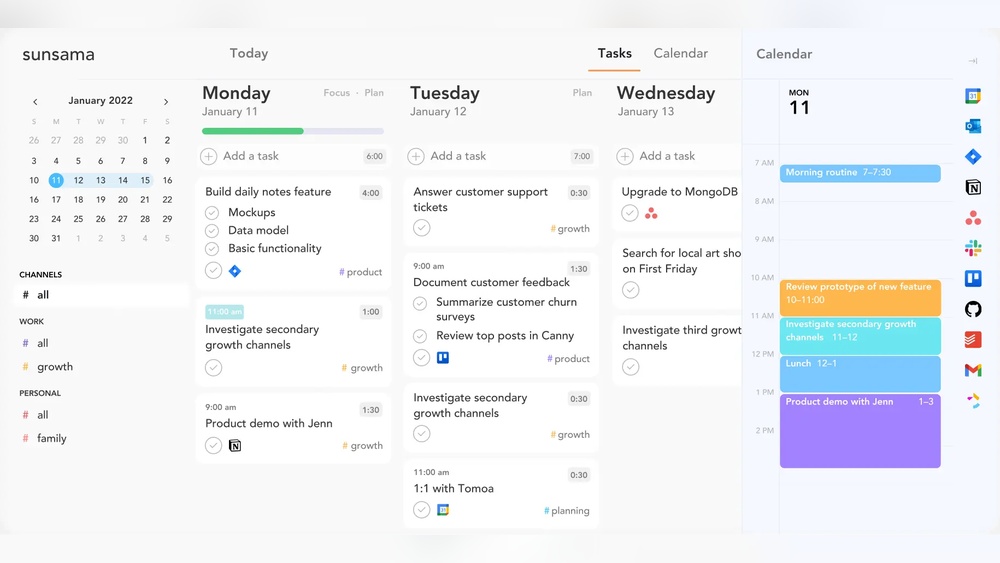
Are you struggling to choose the right project management tool for your team? When it comes to boosting productivity and keeping everything organized, Motion and ClickUp are two names you’ve probably heard a lot.
But which one truly fits your needs? Whether you’re managing tasks, scheduling time, or collaborating with others, making the right choice can save you hours every week. You’ll discover the key differences between Motion and ClickUp, so you can decide which tool aligns best with your workflow.
Stick with me, and by the end, you’ll have a clear answer that makes your project management smoother and more efficient.
Motion Features
Motion offers a set of features designed to improve how users manage time and tasks. Its tools focus on helping people organize their schedules and workflows efficiently. These features aim to reduce the stress of planning and keep productivity steady throughout the day.
Ai-driven Scheduling
Motion uses artificial intelligence to create smart schedules. It analyzes your tasks and priorities to find the best times for each activity. This way, your day is balanced and less likely to have conflicts. The AI adjusts your calendar automatically based on new tasks or changes.
Time Blocking
Time blocking allows users to reserve specific hours for focused work. Motion lets you block out time for different projects or breaks. This method helps prevent multitasking and keeps your attention on one task at a time. It also makes your workday more predictable and organized.
Task Automation
Motion supports automation to handle repetitive tasks. You can set rules to move or update tasks without manual input. Automations save time and reduce errors in task management. They help maintain a smooth workflow and keep projects moving forward.
User Interface And Experience
The interface of Motion is clean and simple to navigate. It uses clear layouts and easy-to-read fonts. This design helps users focus on their tasks without distractions. Motion also offers customization options to match personal preferences. Overall, the user experience is calm and efficient.
Clickup Features
ClickUp offers a rich set of features designed to boost productivity and simplify project management. It suits teams of all sizes by providing tools that keep tasks organized and communication clear. The platform blends flexibility with powerful functions to help users handle complex projects easily.
Task Management
ClickUp allows users to create, assign, and track tasks efficiently. Tasks can include due dates, priorities, and detailed descriptions. Subtasks and checklists break down work into manageable parts. Users can view tasks in lists, boards, or calendars for better clarity.
Customizable Workflows
Workflows adapt to different project needs in ClickUp. Users can build custom statuses and stages to match their processes. Automation rules help move tasks through stages without manual effort. Templates save time by reusing common workflow setups.
Collaboration Tools
ClickUp supports team communication with comments, mentions, and real-time chat. File sharing happens directly within tasks, keeping information central. Notifications keep team members updated on task progress and changes. Collaboration happens smoothly across all devices.
Integrations And Automation
ClickUp connects with many popular apps like Slack, Google Drive, and Zoom. These integrations bring data into one place, reducing app switching. Automation features trigger actions based on task changes or deadlines. This reduces repetitive work and keeps projects moving fast.
Productivity Comparison
Comparing productivity features of Motion and ClickUp reveals key differences. Both tools aim to enhance work efficiency but cater to distinct user needs. Understanding their strengths helps choose the best fit for your workflow.
Individual Vs Team Focus
Motion excels in personal productivity by automating daily schedules. It helps individuals prioritize tasks with smart time-blocking. ClickUp targets team collaboration with shared projects and communication tools. It supports task assignments and progress tracking for groups.
Ease Of Use
Motion offers a clean, simple interface ideal for quick setup. Its automation reduces manual planning steps. ClickUp has a steeper learning curve due to many features. It requires time to customize but offers more control over workflows.
Flexibility And Customization
ClickUp provides extensive customization with statuses, views, and templates. Teams can tailor the workspace to fit different projects. Motion focuses more on automatic scheduling than deep customization. It suits users who prefer simplicity over complex setups.
Time Management Capabilities
Motion’s core strength is intelligent time-blocking to optimize daily tasks. It adjusts schedules based on priorities and deadlines automatically. ClickUp includes time tracking and goal-setting tools but relies on manual input. It supports detailed reporting for teams managing multiple projects.
Pricing And Plans
Choosing the right project management tool often depends on pricing and plans. Motion and ClickUp offer various options for teams and individuals. Understanding their pricing structures helps you pick the best fit for your needs and budget.
Free Versions
Motion provides a free plan with basic features for personal use. It includes simple task management and time blocking. ClickUp’s free version is more generous. It offers unlimited tasks, users, and storage. This makes ClickUp ideal for small teams starting out.
Premium Options
Motion’s paid plan unlocks advanced scheduling and integrations. The cost is moderate and suits freelancers or small teams. ClickUp has several premium tiers. Prices vary based on features like goals, automation, and reporting. Larger teams benefit from ClickUp’s business and enterprise plans.
Value For Money
Motion’s pricing is straightforward and easy to understand. It focuses on productivity features for time management. ClickUp offers more tools and customization at a slightly higher cost. Teams needing flexibility and scale often find ClickUp worth the investment.
Integration And Compatibility
Integration and compatibility define how well a project management tool fits into your existing work setup. Both Motion and ClickUp offer solutions to connect with other apps and support various devices. These features help teams stay organized and efficient without switching platforms constantly.
This section explores how each tool handles third-party integrations, cross-platform support, and automation capabilities. Understanding these aspects helps choose the right software for smooth collaboration.
Third-party Integrations
ClickUp supports many popular apps like Slack, Google Drive, and Zoom. This allows users to sync calendars, share files, and communicate without leaving ClickUp. Motion also offers integrations but on a smaller scale. It covers essential tools like Google Calendar and Outlook. ClickUp’s wider range makes it easier to connect with diverse software.
Cross-platform Support
ClickUp works on Windows, macOS, Android, and iOS. It also runs well in web browsers. Motion supports desktop and mobile platforms too, focusing on Windows and iOS primarily. Both apps keep your tasks and schedules updated across devices. ClickUp’s extra platform options give it an edge for teams using different systems.
Automation Tools
ClickUp provides built-in automation to reduce repetitive tasks. Users can set rules for task assignments, status changes, and notifications. Motion offers fewer automation options but covers basic reminders and scheduling. For users needing advanced workflows, ClickUp’s automation features save time and improve productivity.
Best Use Cases
Choosing between Motion and ClickUp depends on your team’s size and project demands. Each tool suits different work styles and industries. Understanding best use cases helps pick the right fit. This section breaks down where each tool excels for effective project management.
Small Teams And Individuals
Motion offers simplicity ideal for freelancers and small teams. It focuses on scheduling and time blocking, helping users stay on track. The interface is clean and easy to navigate. ClickUp also works well for small teams, providing task lists and basic automation. It adds more features but can feel complex for new users. Small teams benefit from Motion’s straightforward approach to daily planning.
Large Teams And Enterprises
ClickUp shines with large teams and enterprises due to its scalability. It supports multiple projects, user roles, and deep customization. Teams can automate workflows and track progress in detail. Motion is less suited for complex enterprise needs. It lacks advanced reporting and collaboration tools found in ClickUp. Enterprises prefer ClickUp for managing many users and projects.
Project Types And Industries
Motion fits well with time-sensitive projects like marketing or creative work. It helps prioritize tasks and manage deadlines visually. ClickUp adapts to various industries including software development, education, and sales. It supports agile methods, documentation, and detailed task tracking. Both tools serve different project types but ClickUp offers broader industry applications.
Top Alternatives
Choosing the right project management tool can boost your team’s productivity. Motion and ClickUp are popular choices. Still, several alternatives offer unique features. These options suit different work styles and project needs. Explore top alternatives that balance ease, flexibility, and power.
Monday.com For Visual Workflows
Monday.com offers colorful and clear boards to track work. It helps teams see project progress at a glance. Customizable columns and templates fit many workflows. The platform suits teams that prefer visual planning and easy updates.
Trello For Kanban Boards
Trello uses simple Kanban boards with cards and lists. It’s great for organizing tasks and deadlines clearly. Drag-and-drop features make task movement quick. Trello works well for small teams or simple projects.
Notion For Flexible Workspaces
Notion combines notes, databases, and tasks in one place. Users build pages that fit their needs exactly. It supports team collaboration on documents and projects. Notion is ideal for those who want all-in-one workspace control.
Wrike For Enterprise Projects
Wrike handles large and complex projects with ease. It offers detailed reporting and resource management tools. Teams can customize workflows to match company processes. Wrike fits businesses needing strong project oversight.
Jira For Agile Development
Jira focuses on agile teams and software development projects. It tracks issues, sprints, and backlogs efficiently. Integration with coding tools keeps developers in sync. Jira suits teams following Scrum or Kanban methods.
Integration Tips
Integrating Motion with ClickUp enhances project management and task tracking. Combining these tools helps streamline daily operations and reduces manual work. The following tips guide you through connecting, automating, and optimizing your workflow between Motion and ClickUp.
Connecting Motion With Clickup
Start by linking your Motion and ClickUp accounts through available integration platforms like Zapier or native APIs. Ensure both apps have the necessary permissions to share data. Choose specific projects or tasks in ClickUp that you want Motion to manage or track. This connection allows real-time updates and synchronized task lists across both platforms.
Setting Up Automation
Create automation rules to save time and reduce errors. For example, set tasks created in Motion to automatically appear in ClickUp with due dates and priorities. Use triggers like task completion in ClickUp to update calendars or schedules in Motion. Automations keep both systems aligned without manual input, improving accuracy and efficiency.
Maximizing Workflow Efficiency
Combine the strengths of Motion’s scheduling with ClickUp’s detailed task management. Use Motion for time blocking and ClickUp for task details and collaboration. Regularly review synced data to ensure tasks stay updated and deadlines met. Customize notifications to avoid overload but stay informed about critical updates. This balance helps maintain focus and productivity.
Frequently Asked Questions
Is There Anything Better Than Clickup?
Top alternatives to ClickUp include Monday. com, Asana, Notion, Wrike, Trello, Airtable, and Jira. Each excels in different features like visuals, customization, simplicity, or enterprise needs. Choose based on your project size and workflow preferences for the best fit.
Does Motion Integrate With Clickup?
Yes, Motion integrates with ClickUp through automation platforms like Zapier. Connect both accounts to sync tasks and triggers easily.
What Can I Use Instead Of Motion?
You can use alternatives like movement, flow, progress, passage, travel, mobility, or locomotion instead of motion.
Is Motion Better Than Monday?
Motion offers strong time-blocking and automation, while Monday excels in visual workflows and team collaboration. Choose based on your project needs.
Conclusion
Choosing between Motion and ClickUp depends on your needs and style. Motion suits those who want simple time-blocking and scheduling. ClickUp offers more features for task management and team collaboration. Both tools help improve productivity in different ways. Test each to see which fits your workflow best.
Remember, the best app is the one you enjoy using daily. Keep your projects organized and your work clear with either choice.