
Choosing the right tool to manage your workday can change everything. If you’re torn between Sunsama and Asana, you’re not alone.
Both promise to boost your productivity, but which one truly fits your style? Sunsama helps you start calm, stay focused, and end your day confident by combining your tasks, calendar, and daily planning into one seamless experience. It’s designed to eliminate distractions and help you do more high-impact work without burning out. On the other hand, Asana shines with its intuitive collaboration features, making team communication and task coordination a breeze. You’ll discover how Sunsama stands out as the digital daily planner that keeps you grounded and productive, and how it compares directly with Asana’s strengths. Ready to find the best fit for your workflow? Let’s dive into the details and help you take control of your day like never before. If you want to explore Sunsama right now, check it out here: Sunsama.

Credit: www.softwareadvice.com
Introduction To Sunsama And Asana
Choosing the right productivity tool shapes your daily workflow. Sunsama and Asana both help manage tasks and projects but serve different needs. Understanding their core purpose and audience clarifies which fits best.
Overview Of Sunsama: Purpose And Target Audience
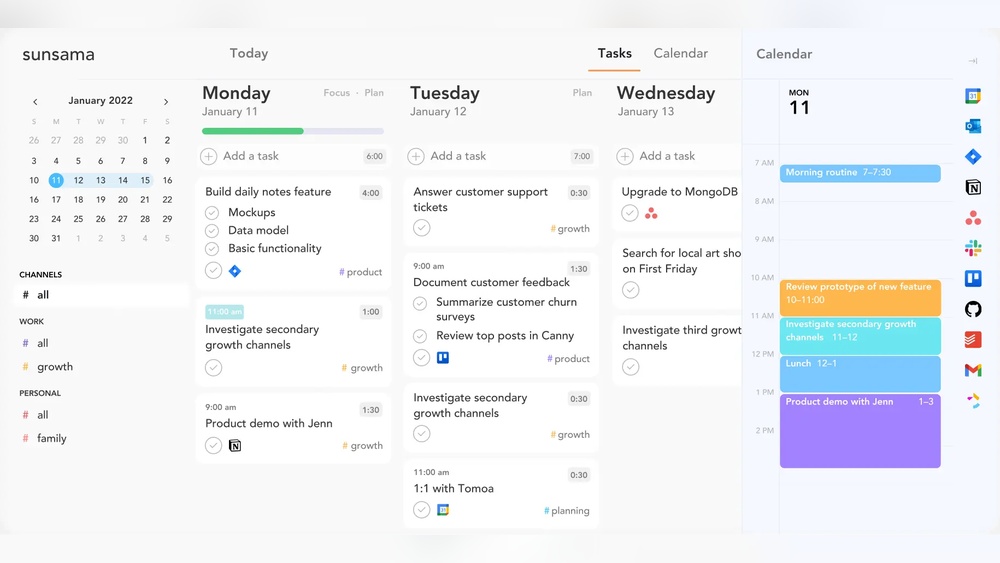
Sunsama is a digital daily planner designed for modern professionals. It combines task management, calendar integration, and daily planning into one platform.
The main goal is to help users stay calm, focused, and confident throughout the workday. Sunsama aims to reduce distractions and promote deep work by organizing tasks into a manageable daily plan.
- Targets professionals juggling multiple priorities
- Ideal for individuals seeking a balanced work pace
- Supports users with ADHD by improving focus and decision-making
Overview Of Asana: Purpose And Target Audience
Asana is a project management tool focused on team collaboration and task coordination. It offers visual workflows and communication features.
Asana serves teams that need to track progress, assign tasks, and maintain clear project timelines.
- Designed for teams of all sizes
- Works well for projects requiring detailed task tracking
- Popular among businesses needing quick setup and easy adoption
Why Compare Sunsama And Asana? Key Productivity Challenges Addressed
Both tools address common productivity challenges but in different ways:
| Productivity Challenge | Sunsama Approach | Asana Approach |
|---|---|---|
| Managing daily tasks | Focuses on daily planning to reduce overwhelm and distractions | Tracks tasks with deadlines, allowing team visibility |
| Staying focused | Encourages deep work by organizing tasks into daily blocks | Supports task prioritization but less focus on daily flow |
| Team collaboration | Primarily individual-focused but integrates with calendars and tools | Strong collaboration features like comments, assignments, and status updates |
| Task overload | Helps users decide what to do each day to avoid burnout | Manages large projects with multiple tasks and subtasks |
Understanding these differences helps select a tool that suits work style and productivity needs.

Credit: efficient.app
Key Features Of Sunsama And Their Benefits
Sunsama is designed to help modern professionals plan their day calmly and stay focused on what matters most. Its features combine task management, calendar integration, and mindfulness tools. These elements work together to reduce distractions and increase productivity without causing burnout.
Daily Planning Focus: How Sunsama Helps Prioritize And Stay Focused
Sunsama encourages users to plan their day with intention. Each morning, it prompts you to select key tasks to complete, helping to prioritize important work.
- Daily planning ritual: Choose tasks for the day to stay clear on priorities.
- Time blocking: Allocate focused time slots for specific tasks.
- End-of-day review: Reflect on completed work and prepare for tomorrow.
This focus on daily planning helps minimize multitasking and keeps distractions away.
Integration Capabilities: Streamlining Workflow Across Tools
Sunsama connects with popular tools to centralize your work.
- Calendar sync: Integrates with Google Calendar and Outlook to keep tasks and events aligned.
- Task imports: Pulls tasks from Asana, Trello, Jira, and email platforms.
- Cross-tool workflow: Allows managing tasks from different apps in one place.
This integration reduces app switching and saves time managing multiple platforms.
Mindfulness And Adhd Support: Enhancing Concentration And Decision-making
Sunsama supports users with ADHD and those seeking mindfulness in work.
- Calm approach: Encourages setting realistic goals to avoid overwhelm.
- Focus sessions: Helps maintain concentration with scheduled breaks.
- Decision clarity: Guides prioritization to prevent reactive task handling.
These features help improve concentration and reduce stress during busy days.
User Interface And Experience: Simplifying Task Management
Sunsama offers a clean, simple interface that enhances usability.
- Minimalist design: Reduces visual clutter for clear focus on tasks.
- Drag-and-drop: Easily reorder tasks and adjust your schedule.
- Responsive layout: Works smoothly on desktop and mobile devices.
The user-friendly experience makes managing tasks straightforward and efficient.
Key Features Of Asana And Their Benefits
Asana offers a variety of features designed to help teams organize work, communicate clearly, and track progress efficiently. These features support different work styles and project types, helping teams stay aligned and productive. Understanding these key features reveals why many teams prefer Asana for managing their tasks and projects.
Visual Project Tracking: Lists, Boards, And Timelines For Team Coordination
Asana provides multiple ways to visualize projects, making it easy for teams to coordinate and monitor progress.
- Lists: Display tasks in a simple, clear order. Ideal for detailed task tracking and checklists.
- Boards: Use Kanban-style columns to move tasks through different stages. Great for visual workflow and status updates.
- Timelines: Show tasks and deadlines on a calendar-like view. Helps teams see how tasks overlap and plan accordingly.
These views help team members understand their roles and deadlines quickly. Visual tracking reduces confusion and keeps everyone on the same page.
Collaboration Tools: Facilitating Communication And Task Assignment
Asana’s collaboration features make teamwork easier and clearer.
- Task Comments: Team members can discuss details directly on tasks, reducing email clutter.
- File Attachments: Add documents, images, or links to tasks for quick reference.
- Task Assignment: Assign tasks to specific people to clarify responsibility.
- Notifications: Receive updates on task progress and changes in real time.
These tools keep communication focused on work, improving response times and reducing misunderstandings.
Multiple Project Views: Adapting To Different Team Needs
Teams work differently, so Asana offers flexible views to match various preferences.
| View | Purpose | Best For |
|---|---|---|
| Calendar | Visualize deadlines and task schedules | Teams managing time-sensitive projects |
| Dashboard | Track key project metrics and progress | Managers needing quick status updates |
| Portfolio | Manage multiple projects in one place | Leaders overseeing several teams |
These options allow teams to choose the best method to view their work and improve efficiency.
Onboarding And Ease Of Use: Rapid Adoption For Teams
Asana is designed for quick learning and easy setup.
- Intuitive Interface: Clean design helps users find features fast.
- Templates: Pre-built project templates save setup time.
- Guided Tutorials: Step-by-step guides help new users get started.
- Integrations: Connect with tools like Slack, Google Drive, and Zoom.
These features enable teams to start managing projects smoothly without long training sessions.
Pricing And Affordability Comparison
Choosing the right productivity tool often depends on price and value. Sunsama and Asana serve different user needs and budgets. This section breaks down their pricing plans and the value each offers. Understanding these costs helps pick the best fit for your workflow and wallet.
Sunsama Pricing Structure: Plans And Value For Money
Sunsama offers a simple pricing model focused on individuals and small teams who want calm and focus in daily work.
- Monthly Plan: $20 per user per month
- Annual Plan: $16 per user per month (billed yearly)
The pricing covers full access to all features: task management, calendar integration, and daily planning tools. Sunsama’s value lies in its ability to reduce distractions and enhance focus, ideal for professionals seeking better daily task control.
Asana Pricing Structure: Plans, Free Tier, And Premium Options
Asana offers a tiered pricing system suitable for individuals, small teams, and large organizations.
| Plan | Cost | Key Features |
|---|---|---|
| Free | $0 | Basic task management, up to 15 users |
| Premium | $10.99 per user/month (billed annually) | Timeline, reporting, unlimited dashboards |
| Business | $24.99 per user/month (billed annually) | Advanced integrations, portfolio, goals |
Asana’s free tier suits small teams and casual users. Premium and Business plans add powerful features for larger teams and complex projects.
Cost-benefit Analysis: Which Tool Offers Better Roi For Different Users
For individuals, Sunsama’s flat fee delivers focused daily planning without distractions. It fits those who want calm and clarity over complex project tools.
Small teams may prefer Asana’s free plan to start, gaining access to basic task coordination. Upgrading to Premium offers more tracking and reporting for growing teams.
Large teams and enterprises benefit from Asana’s Business plan, which supports advanced workflows and integrations. Sunsama lacks these extensive features but excels in simplicity.
| User Type | Best Choice | Reason |
|---|---|---|
| Individual Professionals | Sunsama | Focused daily planning, distraction reduction |
| Small Teams | Asana Free or Premium | Collaboration tools, affordable scaling |
| Large Teams/Businesses | Asana Business | Advanced features, integrations, and reporting |
Both tools offer value, but the best return depends on user needs. Sunsama shines with simplicity and focus, while Asana suits structured team collaboration and scalability.
Pros And Cons Based On Real-world Usage
Choosing the right task management tool depends on daily needs and work style. Sunsama and Asana each offer unique benefits and face distinct challenges. Real users share insights on how these platforms perform in actual work environments. Understanding these pros and cons helps pick the best fit for focus, collaboration, and project handling.
Sunsama Pros: Focus Enhancement And Workflow Integration
- Daily Planning Focus: Sunsama acts as a digital daily planner, helping users prioritize tasks effectively.
- Calm and Clarity: It reduces distractions and encourages a calm workday mindset.
- Flow Maintenance: Designed to keep users in a productive flow without burnout.
- Integration with Calendars: Smoothly syncs with calendar apps to organize schedules and tasks in one place.
- Ideal for ADHD: Users with ADHD report better decision-making and focus using Sunsama’s structured approach.
Sunsama Cons: Limitations And Potential Drawbacks
- Limited Project Features: Sunsama focuses more on daily planning than complex project management.
- Fewer Collaboration Tools: It lacks extensive team collaboration features compared to other platforms.
- Pricing Structure: Some users find Sunsama’s subscription cost high for solo use.
- Learning Curve for Integration: Setting up calendar and task workflows may take time initially.
Asana Pros: Intuitive Collaboration And Versatile Project Views
- Team Collaboration: Asana excels in enabling clear communication among teams.
- Multiple Project Views: Offers list, board, timeline, and calendar views to suit different project needs.
- Quick Setup: Easy to start using with minimal onboarding time.
- Task Coordination: Helps teams organize and track work efficiently.
- User-Friendly Interface: Designed for visually-driven teams for easy navigation.
Asana Cons: Complexity In Advanced Customization And Data Analysis
- Advanced Features Complexity: Custom workflows and automation require time to master.
- Data Analysis Limitations: Built-in reporting may not meet needs of data-heavy projects.
- Overwhelming for New Users: Feature-rich interface can feel complex for beginners.
- Less Focus on Personal Planning: Primarily designed for team projects, not individual daily task management.
Recommendations For Ideal Users And Scenarios
Choosing the right productivity tool depends on your work style and goals. Sunsama and Asana serve different needs. Understanding who benefits most from each helps make better decisions. This section guides you through ideal users and scenarios for both tools.
Who Should Choose Sunsama: Best Use Cases And User Profiles
Sunsama fits users who want calm, focused daily planning. It combines task management with a calendar to reduce distractions and boost flow.
- Solo professionals aiming to organize daily tasks with clear priorities.
- People with ADHD seeking structure to manage focus and avoid overwhelm.
- Freelancers and consultants who need a simple, distraction-free daily planner.
- Users wanting to balance work and breaks to prevent burnout.
Sunsama works best when you want to plan your day intentionally and complete high-impact tasks calmly. It suits those who prefer a daily ritual to stay on track.
Who Should Choose Asana: Best Use Cases And User Profiles
Asana suits teams and projects needing strong collaboration and task tracking. It offers workflow management and clear communication tools.
- Small to large teams managing multiple projects and deadlines.
- Managers and project leaders overseeing task assignments and progress.
- Teams needing visual boards and timelines for project planning.
- Organizations requiring integrations with other tools like Slack or Google Drive.
Asana works best for team collaboration and projects needing clear task coordination across members. It fits users focused on tracking and managing group workflows.
When To Use Both: Complementary Strategies For Productivity Masters
Some professionals benefit from combining Sunsama and Asana. Use Sunsama for daily personal planning to stay focused. Use Asana for team project management and task collaboration.
| Tool | Focus Area | Use Case |
|---|---|---|
| Sunsama | Personal Daily Planning | Organize your daily tasks and priorities calmly. |
| Asana | Team Collaboration | Manage projects, assign tasks, and track progress. |
This approach helps productivity masters balance personal focus with team demands. It reduces overwhelm by separating daily task flow from project complexity.
Conclusion: Making The Ultimate Choice
Choosing between Sunsama and Asana depends on your work style and productivity goals. Both tools help manage tasks and boost focus, but they serve different needs. This section breaks down their key differences, strengths, and guides you on trying each tool before deciding.
Summary Of Key Differences And Strengths
| Feature | Sunsama | Asana |
|---|---|---|
| Main Focus | Daily planning, focus, calm workflow | Team collaboration, task coordination |
| Best For | Professionals needing distraction-free planning | Teams managing complex projects |
| Interface | Simple, calendar-driven daily planner | Visual task boards and lists |
| Unique Strength | Combines calendar with task management | Strong communication and workflow automation |
| Ideal User | Individuals seeking focus, less burnout | Groups needing clear task tracking |
Final Thoughts On Suitability Based On Productivity Goals
Sunsama suits users wanting calm and focus. It encourages daily review and prioritizes tasks to avoid overwhelm. Great for solo professionals or those with ADHD who want to manage distractions.
Asana fits teams needing smooth collaboration. It handles multiple projects and supports workflow automation. Perfect for groups that want to keep everyone aligned and track progress visually.
Pick Sunsama for a daily planner that keeps you grounded. Choose Asana for robust project management and team communication.
Next Steps: How To Trial And Decide Between Sunsama And Asana
- Sign up for free trials on their official websites: Sunsama and Asana.
- Test core features like task creation, calendar integration, and notifications.
- Use each tool during your typical workday to see which fits your style.
- Evaluate collaboration needs: Try Asana if working with a team; Sunsama if working solo.
- Assess ease of use: Consider which interface feels simpler and less distracting.
- Review pricing plans after trial to find the best value for your needs.
Hands-on experience helps reveal the tool that matches your workflow best.

Credit: www.techjockey.com
Frequently Asked Questions
Is Anything Better Than Asana?
Some tools like Sunsama and Smartsheet offer features better suited for specific needs. Sunsama aids focus and prioritization. Smartsheet excels in complex data-heavy projects, while Asana shines in intuitive task management and team collaboration. Choose based on your project complexity and workflow preferences.
Is Sunsama Worth It For Adhd?
Sunsama helps ADHD users by improving focus, prioritization, and task management. It keeps daily goals clear and manageable. Many find it boosts productivity and reduces overwhelm effectively.
Is Asana Better Than Smartsheet?
Asana suits teams needing easy, visual task management and quick setup. Smartsheet excels in complex, data-heavy projects with advanced reporting and automation. Choose Asana for intuitive collaboration; pick Smartsheet for detailed resource management and enterprise workflows.
Is Sunsama A Good Productivity Tool?
Sunsama is an effective productivity tool that helps prioritize tasks and maintain focus. It suits users seeking daily planning and better decision-making. Its intuitive design supports task management and reduces overwhelm, making it ideal for improving productivity and managing ADHD symptoms.
Conclusion
Both Sunsama and Asana offer strong tools for managing tasks and projects. Sunsama focuses on daily planning, helping users stay calm and focused throughout the day. Asana provides robust team collaboration and workflow management features. Choosing between them depends on your needs: Sunsama suits individuals seeking a simple daily planner, while Asana works well for teams needing detailed task tracking. Explore how Sunsama can help you start calm, stay focused, and end confident by visiting Sunsama. Make your choice based on what fits your work style best.