Are you struggling to choose the right tool to manage your projects and boost your team’s productivity? When it comes to powerful platforms like ClickUp and Azure DevOps, the decision isn’t always straightforward.
Each offers unique features designed to help you get more done—but which one fits your needs best? Whether you’re leading a software development team or managing diverse workflows across marketing, HR, or operations, understanding the key differences can save you time and frustration. ClickUp stands out as an all-in-one solution that aims to replace multiple apps by bringing tasks, docs, AI agents, and conversations into a single, customizable platform. If you want to maximize your team’s efficiency with a versatile tool that adapts to your workflow, ClickUp might be the game-changer you need. Ready to explore how it compares to Azure DevOps and find the perfect fit for your projects? Dive into the full comparison and discover which platform will elevate your productivity to the next level. Start maximizing your productivity with ClickUp today: ClickUp
Introduction To Clickup And Azure Devops
Choosing the right project management tool shapes your team’s success. ClickUp and Azure DevOps stand out as top options, each with unique strengths. Understanding their purposes and audiences helps pick the best fit for your projects.
Overview Of Clickup: Purpose And Target Audience
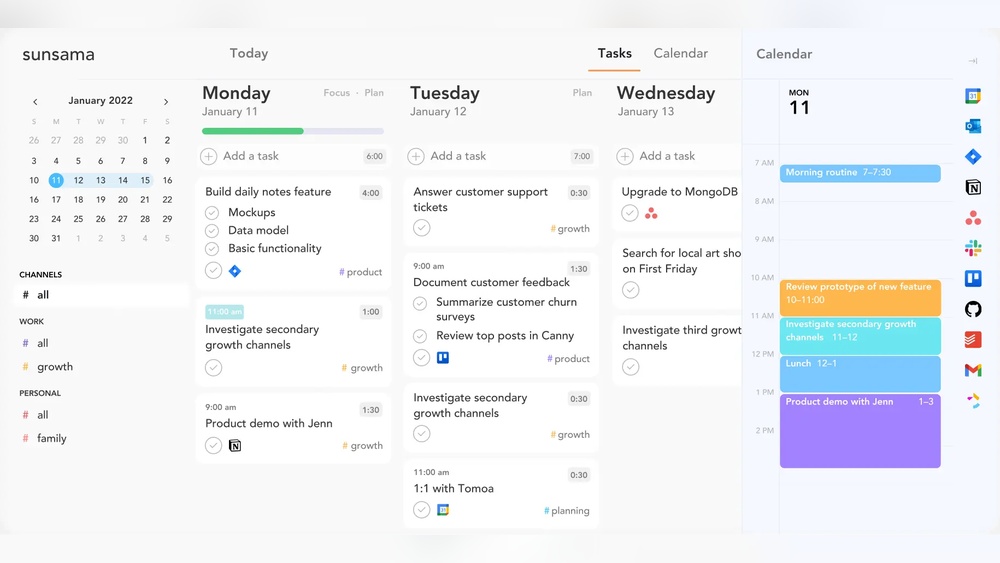
ClickUp aims to maximize human productivity by combining all apps, AI agents, and team members in one platform. It replaces multiple tools with a single, customizable workspace.
- Designed for non-technical teams like marketing, HR, and operations.
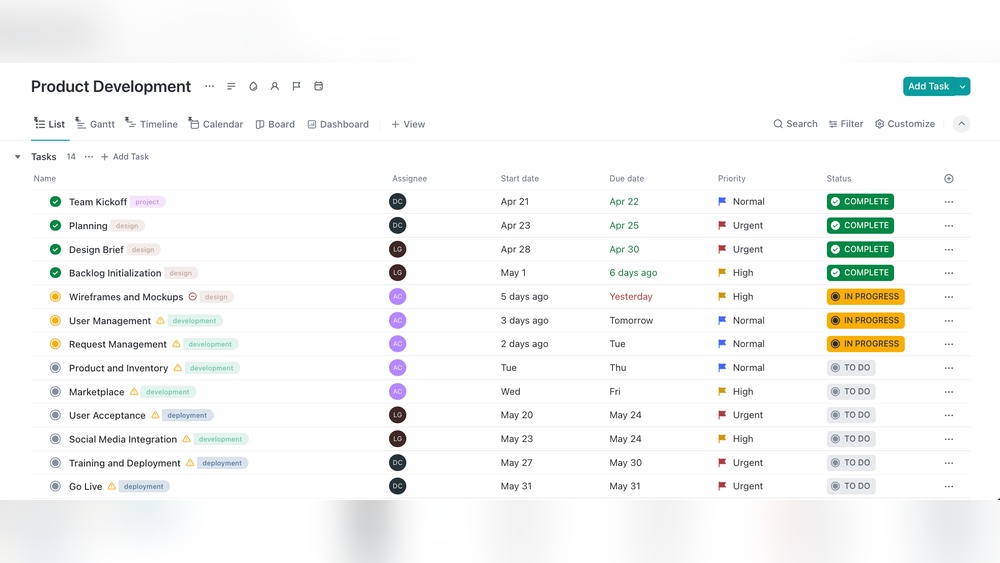
- Offers many views: lists, boards, Gantt charts, calendars.
- Highly versatile and adaptable to different workflows.
- Focuses on customization and all-in-one project management.
Overview Of Azure Devops: Purpose And Target Audience
Azure DevOps is built to support software development teams with tools for agile planning, continuous integration, and delivery.
- Best for complex software projects needing robust issue tracking and sprint planning.
- Integrates deeply with Microsoft’s ecosystem and development tools.
- Supports workflows like code repositories, automated builds, and release pipelines.
- Focuses on developer-centric project management and collaboration.
Why Compare Clickup And Azure Devops For Project Success?
Both tools improve project success but serve different needs and teams. Comparing them highlights:
- Suitability: Which tool fits your team’s work style?
- Features: What capabilities match your project requirements?
- Integration: How well do they connect with your current tools?
- Flexibility: Can the tool adapt as your project evolves?
This comparison helps find the right solution to boost productivity and streamline workflows.

Credit: www.youtube.com
Key Features And Unique Benefits Of Clickup
ClickUp offers a powerful mix of features designed to boost productivity across many teams. It suits marketing, HR, operations, and project management well. The platform adapts easily, helping teams work better in one place. ClickUp combines tasks, docs, and conversations, reducing the need for multiple apps. Its flexible design supports various workflows and user preferences.
Versatile Workflow Management Across Departments
ClickUp manages workflows for different departments with ease. Teams can create custom workflows that fit their needs. It supports:
- Task assignment and tracking
- Automated reminders and notifications
- Collaboration through comments and mentions
Marketing teams, HR, and operations use ClickUp to streamline work and keep projects on track. This versatility makes it a strong choice for diverse teams.
High Customization With Multiple Views And Integrations
Users can choose from many views to organize their work:
- List view for detailed task lists
- Board view for Kanban-style tracking
- Calendar view to visualize deadlines
- Gantt charts for project timelines
ClickUp also integrates with popular tools like Google Drive, Slack, and Zoom. These integrations simplify workflows and reduce app switching.
All-in-one Platform: Tasks, Docs, And Conversations
ClickUp combines multiple tools in one platform:
| Feature | Benefit |
|---|---|
| Tasks | Organize, assign, and track work efficiently |
| Docs | Create and share documents without leaving ClickUp |
| Conversations | Communicate with team members inside tasks and projects |
This unified approach keeps information in one place, improving focus and reducing confusion.
Generous Free Plan And Early Feature Availability
ClickUp offers a free plan that suits small teams and personal use. It includes:
- Unlimited tasks and users
- Access to multiple views and integrations
- Basic automation and reporting
Users get new features early, allowing teams to test and benefit from improvements quickly. This keeps ClickUp fresh and responsive to user needs.
Key Features And Unique Benefits Of Azure Devops
Azure DevOps provides a powerful set of tools designed for software development teams. It focuses on streamlining project management, coding, and delivery processes. The platform integrates well with Microsoft products, making it a preferred choice for many developers.
Azure DevOps supports the entire software lifecycle from planning to deployment. Its features help teams stay organized, track progress, and maintain high code quality. The platform suits teams adopting Agile methods and those needing robust version control and reporting.
Robust Agile Project And Sprint Planning
Azure DevOps offers comprehensive Agile project management tools. Teams can create and manage backlogs, sprints, and user stories with ease. The platform supports Scrum, Kanban, and customized workflows.
- Easy sprint planning and task assignment
- Visual boards to track progress in real-time
- Work item tracking to monitor bugs and features
- Capacity planning to balance team workload
These tools help teams deliver work on time and stay aligned with project goals.
Deep Integration With Microsoft And Development Tools
Azure DevOps integrates tightly with the Microsoft ecosystem. It connects with tools like Visual Studio, Microsoft Teams, and Azure Cloud. This integration streamlines communication and development workflows.
- Automated pipelines with Azure Pipelines for continuous integration and delivery
- Collaboration using Microsoft Teams for real-time updates
- Easy link between work items and code changes in Visual Studio
Developers benefit from a connected environment that reduces context switching.
Version Control With Git And Tfvc Support
Azure DevOps supports both Git and Team Foundation Version Control (TFVC). This flexibility allows teams to choose the version control system that fits their needs.
| Feature | Git | TFVC |
|---|---|---|
| Type | Distributed version control | Centralized version control |
| Branching | Easy and lightweight | More controlled and centralized |
| Use Case | Modern development workflows | Large codebases with strict control |
Both systems integrate with Azure DevOps pipelines and work item tracking.
Comprehensive Reporting And Requirements Management
Azure DevOps offers detailed reporting tools that provide insights into project health and progress.
- Pre-built reports for burndown charts, velocity, and cycle time
- Customizable dashboards to highlight key metrics
- Traceability from requirements to deployment
Requirement management features help teams capture, track, and validate user needs throughout the project.

Credit: www.youtube.com
Pricing And Affordability Comparison
Choosing the right project management tool depends heavily on pricing and value. ClickUp and Azure DevOps offer different pricing models suited to varied team needs. Understanding their pricing tiers, free plan features, and licensing helps teams decide which tool fits their budget best.
Clickup Pricing Tiers And Free Plan Features
ClickUp provides flexible pricing options with a generous free plan for small teams or individual users. Here is an overview of its pricing tiers:
| Plan | Price (per user/month) | Key Features |
|---|---|---|
| Free | $0 |
|
| Unlimited | $5 |
|
| Business | $12 |
|
The free plan covers basic needs with essential features, ideal for small teams starting out.
Azure Devops Pricing Structure And Licensing
Azure DevOps uses a per-user pricing model with a free tier and paid options for added features. Key details include:
| Plan | Price (per user/month) | Included Features |
|---|---|---|
| Free | $0 |
|
| Basic | $6 |
|
Licensing for Azure DevOps is straightforward but requires additional purchases for testing tools.
Cost-benefit Analysis For Different Team Sizes
Comparing costs and benefits helps teams pick the best tool for their size and needs.
- Small Teams (1-5 users): Both tools offer free plans. ClickUp’s free plan supports unlimited users but limits storage. Azure DevOps free plan caps at 5 users but includes core dev tools.
- Medium Teams (6-20 users): ClickUp’s Unlimited plan at $5/user/month provides rich features with no storage limits. Azure DevOps charges $6/user/month with advanced pipeline options but adds costs for test plans.
- Large Teams (20+ users): ClickUp’s Business plan offers automation and advanced reporting for $12/user/month. Azure DevOps scales with the same $6/user/month rate but may incur extra costs for added services.
ClickUp suits teams needing diverse workflow features and simple pricing. Azure DevOps fits software teams focused on deep development and integration capabilities.
Pros And Cons Based On Real-world Usage
Understanding the strengths and limitations of ClickUp and Azure DevOps helps teams choose the right tool. Real-world usage reveals how each platform performs across different workflows and industries. Below is a detailed look at both tools from practical user experiences.
Strengths And Limitations Of Clickup In Practice
ClickUp is praised for its versatility and customization. It suits various teams beyond software development, such as marketing and HR. Users enjoy having multiple views like lists, boards, and Gantt charts all in one place.
- Strengths:
- Highly customizable to fit diverse workflows
- All-in-one platform reduces the need for multiple apps
- User-friendly interface with rich features available early
- Supports different project types, not just software development
- Limitations:
- Performance can slow down with complex or large projects
- Some users find the platform complex due to many options
- Less specialized for software development compared to Azure DevOps
Strengths And Limitations Of Azure Devops In Practice
Azure DevOps excels in software development and agile project management. It integrates deeply with Microsoft tools and supports advanced workflows. Teams focused on code and sprint planning benefit most.
- Strengths:
- Strong support for agile methodologies and sprint planning
- Robust integration with Microsoft and development ecosystems
- Advanced reporting and query capabilities for complex projects
- Excellent for managing software releases and issue tracking
- Limitations:
- Less flexible for non-technical teams or diverse workflows
- Steeper learning curve for new users
- Interface can feel rigid and less intuitive
Common User Feedback And Performance Considerations
| Aspect | ClickUp | Azure DevOps |
|---|---|---|
| Ease of Use | Intuitive but can overwhelm due to many features | Technical, requires training for efficient use |
| Customization | High; adapts to many workflows | Moderate; focused on software processes |
| Performance | May slow with large, complex projects | Stable and scalable for big software teams |
| Integration | Supports various apps and AI agents | Deep integration with Microsoft and dev tools |
| Target Users | Cross-departmental teams (marketing, HR, ops) | Software developers and IT professionals |
User feedback shows ClickUp suits diverse teams needing flexibility. Azure DevOps fits software teams wanting powerful development tools. Performance depends on project size and team needs.
Ideal Users And Use Case Recommendations
Choosing the right project management tool depends on your team’s needs and work style. Both ClickUp and Azure DevOps serve distinct audiences and use cases. Understanding their ideal users helps pick the best fit for your projects.
When To Choose Clickup: Non-technical And Cross-functional Teams
ClickUp suits teams beyond software development. It supports marketing, HR, operations, and other departments needing flexibility.
- Teams seeking a highly customizable workspace with multiple views (list, board, Gantt).
- Cross-functional groups managing diverse workflows in one platform.
- Users wanting to replace several apps with one tool for tasks, docs, and communication.
- Non-technical teams requiring simple setup without coding or complex configurations.
ClickUp helps maximize productivity by uniting all team efforts in one place.
When To Choose Azure Devops: Software Development And Agile Teams
Azure DevOps targets software developers and agile teams focused on product delivery.
- Teams needing robust issue tracking, sprint planning, and release management.
- Developers working within the Microsoft ecosystem, using tools like Visual Studio and Azure services.
- Projects requiring complex workflows and advanced query capabilities.
- Agile teams managing continuous integration and delivery pipelines.
Azure DevOps delivers powerful tools for technical teams to streamline development cycles.
Balancing Complexity And Flexibility For Project Success
| Aspect | ClickUp | Azure DevOps |
|---|---|---|
| User Complexity | Low to medium; user-friendly for all roles | High; designed for technical experts |
| Customization | Extensive; adapts to many workflows | Focused on software development processes |
| Integration | Supports many apps and tools | Deep integration with Microsoft and dev tools |
| Ideal Team Types | Non-technical, cross-functional teams | Software developers, agile teams |
Choosing between these tools means weighing flexibility against technical depth. ClickUp offers broad usability for many teams. Azure DevOps excels in managing complex software projects. Align choice with team skills and project demands for best results.
Conclusion: Making The Right Choice For Your Projects
Selecting the right project management tool shapes your team’s success. Both ClickUp and Azure DevOps offer unique strengths. Understanding these helps match your project needs and team style.
Summarizing Key Differences And Strengths
| Feature | ClickUp | Azure DevOps |
|---|---|---|
| Target Users | Versatile teams: marketing, HR, operations, general projects | Software development teams focused on Agile and DevOps |
| Customization | Highly customizable with multiple views (list, board, Gantt) | Strong support for agile workflows and deep issue tracking |
| Integration | All-in-one platform replacing many apps; good for diverse workflows | Seamless with Microsoft tools and DevOps ecosystem |
| Complexity | Easy for non-technical teams but may face performance issues | Built for complex product releases and detailed reporting |
Factors To Consider Based On Team Needs And Project Goals
- Team Type: Choose ClickUp for non-technical or cross-functional teams.
- Project Complexity: Azure DevOps suits software projects needing agile sprints.
- Integration Needs: Use Azure DevOps if your tools are Microsoft-based.
- Customization: ClickUp offers flexible views and workflows for varied tasks.
- Reporting: Azure DevOps provides advanced reporting and query features.
- Ease of Use: ClickUp is simpler for teams new to project software.
Final Recommendations For Maximizing Project Success
- Assess your team’s technical skills. Avoid complexity for less technical users.
- Define your project type. Software development benefits from Azure DevOps; broader projects from ClickUp.
- Consider integration needs. Pick tools that connect well with your existing software.
- Test both tools. Trial periods reveal which fits team workflow better.
- Train your team. Proper onboarding improves tool adoption and productivity.
- Review periodically. Reassess tool fit as projects and teams evolve.
Credit: unito.io
Frequently Asked Questions
What Is Better, Jira Or Clickup?
Jira suits software teams needing deep issue tracking and agile workflows. ClickUp fits versatile teams wanting high customization and all-in-one features. Choose based on your team’s focus: Jira for complex development, ClickUp for broader project management across departments.
What Is Azure Devops Called Now?
Azure DevOps is now called Microsoft DevOps. It offers integrated tools for software development and collaboration.
Is It Worth Taking Azure Devops?
Azure DevOps streamlines software development with integrated tools for CI/CD, collaboration, and project tracking. It boosts productivity and supports agile workflows, making it worth adopting for development teams seeking efficiency and scalability.
Is Azure Devops As Good As Jira?
Azure DevOps suits software development with integrated CI/CD and Microsoft tools. Jira excels in agile workflows and extensive Atlassian integrations. Both are strong; choice depends on team needs and project complexity.
Conclusion
Choosing between ClickUp and Azure DevOps depends on your team’s needs. ClickUp suits teams wanting flexibility and all-in-one tools. Azure DevOps fits software teams focused on complex development and agile workflows. Both offer unique strengths and possible drawbacks. Explore how ClickUp can simplify your work by visiting ClickUp. Test which platform matches your style and project goals best. The right choice boosts productivity and teamwork.