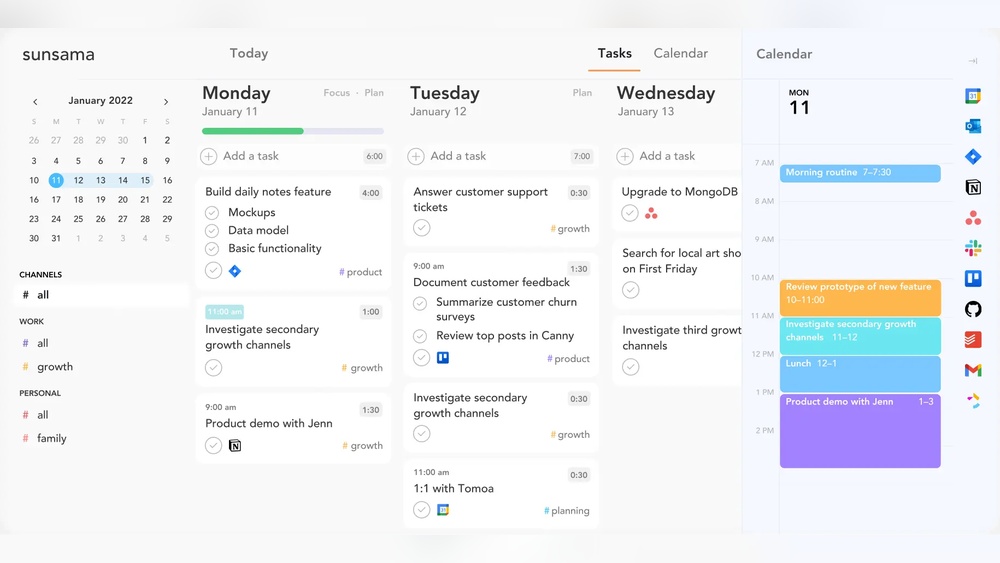
Choosing the right productivity tool can make or break your workflow. You want something powerful yet simple—something that fits your style without adding more stress.
That’s why comparing Zoho and ClickUp matters. Zoho offers a broad suite of apps but can feel overwhelming and complex, especially if you’re not tech-savvy. On the other hand, ClickUp aims to replace all your apps and bring everything—tasks, docs, chats, and even AI assistants—into one easy-to-use platform designed to maximize your productivity. If you’re looking for a way to streamline your work and finally get your team on the same page, this Zoho vs ClickUp showdown will help you decide which tool suits you best. Ready to explore a game-changer? Check out ClickUp here and see how it can transform your daily workflow: ClickUp. Keep reading to find out which one fits your needs perfectly!
Credit: www.cloudwards.net
Introduction To Zoho And Clickup
Zoho and ClickUp are popular tools for managing projects and tasks. Both aim to improve team productivity but have different strengths and features. This section explores what each platform offers and why comparing them matters for project management professionals.
Overview Of Zoho: Purpose And Core Offerings
Zoho is a comprehensive suite designed to support various business needs. Its core focus is on integrated applications that cover project management, CRM, finance, and more. Zoho aims to be an all-in-one business platform helping teams collaborate and automate workflows.
- Wide range of apps: Over 40 business apps covering sales, marketing, HR, and projects
- Project management: Task tracking, time logs, Gantt charts, and document sharing
- Automation and AI: Workflow automation and AI-powered analytics
Despite its power, Zoho can feel complex and overwhelming for new or non-technical users. The interface may seem clunky and slow at times. Support is often slower on free or lower-tier plans. Integration outside Zoho’s ecosystem can also be challenging.
Overview Of Clickup: Purpose And Core Offerings
ClickUp focuses on unifying all work tools into one platform. It aims to replace multiple apps by combining task management, docs, chat, goals, and more. Its mission is to maximize human productivity through a single workspace.
- Task and project management: Custom statuses, priorities, and views like list, board, and calendar
- Collaboration tools: Real-time editing, comments, and assigned comments
- Automation and integrations: Built-in automation and connections with many popular apps
ClickUp offers a modern and flexible interface. It is suitable for teams of all sizes and skill levels. The platform is designed to be intuitive, reducing the learning curve compared to more complex suites.
Why Compare Zoho And Clickup For Project Management Pros?
Both Zoho and ClickUp serve project management but appeal to different needs. Comparing them helps professionals select the right tool to fit their team size, workflow, and technical skills.
| Feature | Zoho | ClickUp |
|---|---|---|
| Target Users | Businesses needing all-in-one suite with many apps | Teams wanting a single app to replace many tools |
| Ease of Use | Steep learning curve, complex interface | Intuitive UI, flexible for beginners and experts |
| Customization | Limited advanced options without higher-tier plans | Highly customizable workflows and views |
| Support | Slower support especially on free plans | Responsive support with extensive resources |
| Integrations | Best within Zoho ecosystem, limited outside | Wide range of integrations with third-party apps |
Choosing between Zoho and ClickUp depends on project goals, team skills, and integration needs. This comparison highlights key differences to guide project management pros in their decision.
Key Features That Set Zoho Apart
Zoho stands out with its powerful tools designed for integrated business management. Its platform supports complex projects and streamlines workflows. These features make Zoho a strong choice for companies needing more than basic task tracking.
Comprehensive Ecosystem: Benefits For Integrated Business Management
Zoho offers a wide range of apps that work together smoothly. This ecosystem covers CRM, finance, marketing, and project management in one place.
- Unified data flow: No need to switch apps frequently.
- Consistent user experience: Similar design and navigation across tools.
- Cross-functional collaboration: Teams from different departments connect easily.
This integration reduces errors and saves time for managers and employees. It suits businesses wanting centralized control over operations.
Rich Feature Set: Handling Complex Project Requirements
Zoho supports advanced project needs with features like:
| Feature | Description |
|---|---|
| Task Dependencies | Manage task order and deadlines clearly. |
| Time Tracking | Monitor hours spent on each task or project. |
| Resource Allocation | Assign tasks based on team member availability and skills. |
| Detailed Reporting | Generate insights for project performance and bottlenecks. |
These tools help managers control complex projects and meet deadlines efficiently.
Customization And Automation: Enhancing Workflow Efficiency
Zoho allows users to tailor the platform to their needs:
- Custom fields and layouts: Adapt forms and views to fit workflows.
- Automation rules: Set triggers for repetitive tasks like notifications or status updates.
- Blueprints: Design step-by-step processes to ensure consistency.
Automation reduces manual work and human errors. Customization ensures the platform fits unique business processes.
Key Features That Make Clickup Unique
ClickUp stands out with features designed to simplify project management and increase team productivity. It combines many tools into one platform, reducing the need for multiple apps. Its unique features help teams organize tasks, communicate clearly, and track progress easily.
User-friendly Interface: Simplifying Task Management
ClickUp offers a clean and intuitive interface that helps users focus on their tasks without confusion. The dashboard is customizable, allowing teams to see what matters most.
- Drag-and-drop task management
- Clear task lists with due dates and priorities
- Easy switching between views like List, Board, and Calendar
- Minimal clicks to create and update tasks
This simplicity reduces time spent learning the tool and helps teams start working faster.
Advanced Visual Workflows: Improving Team Collaboration
ClickUp’s visual workflows give teams a clear picture of project progress. It uses boards, timelines, and Gantt charts to show task status and deadlines.
| Feature | Benefit |
|---|---|
| Custom Statuses | Track tasks in stages that fit your team’s process |
| Dependencies | Show relationships between tasks to avoid delays |
| Real-Time Comments | Discuss tasks instantly and keep all communication in one place |
| Shared Calendars | Align team schedules and deadlines easily |
These tools make collaboration clear and help avoid miscommunication.
Robust Automation And Time Tracking: Boosting Productivity
ClickUp includes automation features to reduce repetitive work. Users can set rules to move tasks, assign members, or send alerts automatically.
- Automated task assignments based on status changes
- Custom reminders and notifications
- Time tracking built into each task
- Detailed reports on time spent per project
Time tracking helps teams see where effort goes and improve future planning. Automation saves time and keeps projects moving smoothly.
Pricing And Affordability Breakdown
Choosing the right project management tool depends heavily on pricing and value. Both Zoho and ClickUp offer multiple pricing plans to fit various team sizes and needs. This section breaks down their pricing tiers and compares the overall value each provides for the cost.
Zoho Pricing Tiers: What You Get At Each Level
Zoho offers several pricing tiers designed for different business sizes and feature needs. Here is a summary of the main plans:
| Plan | Price (per user/month) | Main Features |
|---|---|---|
| Free | $0 | Basic project management, limited users and storage |
| Standard | $3 | Task automation, time tracking, integrations |
| Professional | $5 | Advanced analytics, custom workflows, increased storage |
| Premium | $10 | Enhanced customization, priority support, more integrations |
Zoho’s pricing starts low but grows with added features and user needs. The free plan limits advanced options and has fewer integrations. Higher tiers unlock more customization but may feel complex.
Clickup Pricing Structure: Flexibility For Different Team Sizes
ClickUp’s pricing adapts well to teams of various sizes. Their plans include:
| Plan | Price (per user/month) | Main Features |
|---|---|---|
| Free | $0 | Unlimited tasks, 100MB storage, basic integrations |
| Unlimited | $5 | Unlimited storage, advanced integrations, dashboards |
| Business | $12 | Goal tracking, custom exporting, advanced automation |
| Enterprise | Custom Pricing | Advanced security, white labeling, dedicated support |
ClickUp’s plans offer a generous free tier with many features. Paid plans add powerful automation and customization options, suitable for growing teams.
Comparative Value: Which Offers More Bang For Your Buck?
- Zoho provides a broad feature set but can be complex and overwhelming.
- ClickUp offers more flexibility and easier usability, especially on the free and mid-tier plans.
- ClickUp’s free plan allows unlimited tasks and users, ideal for small teams.
- Zoho’s higher tiers offer deep customization but at a steeper learning curve.
- Both platforms offer premium plans with advanced features for larger teams.
Overall, ClickUp tends to deliver more features at lower prices with simpler use. Zoho fits best for teams ready to invest time learning complex tools for extensive customization. Affordability depends on team size and required features.
Pros And Cons Based On Real-world Usage
Choosing between Zoho and ClickUp depends on real user experiences. Each tool has clear strengths and weaknesses. Understanding these can help pick the right project management app.
Zoho Strengths And Weaknesses: Usability, Support, And Integration Challenges
Zoho offers a wide range of features, but its complexity often slows users down. The platform has a steep learning curve, especially for new or non-technical users.
- Usability: The interface feels clunky and outdated. Key tasks can be hidden and require many steps.
- Support: Users report slow response times, especially on free or lower-tier plans.
- Integration: Zoho works best within its own ecosystem. Integrations outside Zoho can be difficult.
- Customization: Advanced customization needs a higher-tier plan, limiting flexibility for small teams.
These factors make Zoho a challenge for teams wanting quick setup and simple workflows.
Clickup Strengths And Weaknesses: Ease Of Use Vs. Feature Depth
ClickUp focuses on combining many tools into one platform, aiming to boost productivity.
| Strengths | Weaknesses |
|---|---|
|
|
ClickUp balances ease of use with powerful features. The platform suits teams ready to explore its full capabilities.
User Feedback Highlights: What Project Management Pros Are Saying
Professional users share mixed views on both tools.
- Zoho is praised for its extensive features but criticized for complexity and slow support.
- ClickUp receives high marks for user interface and integration but can feel overwhelming.
- Many recommend ClickUp for teams valuing flexibility and quick onboarding.
- Zoho suits organizations already invested in its ecosystem despite usability challenges.
Real-world users suggest testing both platforms hands-on to match specific team needs.

Credit: www.youtube.com
Ideal Use Cases And Recommendations
Choosing between Zoho and ClickUp depends on your team’s size, project complexity, and preferred workflow. Each platform suits different needs and work styles. Understanding these ideal use cases helps teams pick the right tool and boost productivity.
Who Should Choose Zoho: Best Scenarios And Team Types
Zoho fits teams comfortable with a rich suite of apps and deep customization.
- Businesses needing integrated CRM, finance, and project tools in one ecosystem
- Large teams or enterprises with complex workflows and multiple departments
- Users who want advanced reporting and detailed task tracking
- Teams that can invest time overcoming the steep learning curve
Zoho’s broad feature set suits organizations ready to manage complexity and multiple processes under one roof.
Who Should Choose Clickup: Optimal Users And Project Needs
ClickUp is ideal for teams wanting flexible, user-friendly project management.
- Small to medium teams needing a simple, all-in-one workspace for tasks, docs, and communication
- Users preferring customizable workflows without overwhelming complexity
- Projects requiring quick setup and easy collaboration across team members
- Teams valuing integrations with many apps and automation features
ClickUp supports teams aiming for productivity with a smooth learning curve and fast adoption.
Decision-making Tips: Matching Features To Your Project Management Style
| Feature | Zoho | ClickUp |
|---|---|---|
| Ease of Use | Complex interface, longer learning time | Intuitive, faster to learn |
| Customization | Highly customizable with many apps | Flexible workflows and views |
| Integration | Best within Zoho ecosystem | Wide range of third-party apps |
| Support | Slow support, especially on lower plans | Responsive and active community |
| Suitability | Large, complex projects | Small to medium projects |
Tips to decide:
- Consider team size and tech skills.
- Match platform complexity to project needs.
- Check if deep customization or ease is a priority.
- Evaluate integrations required for your workflow.
- Test trial versions to feel the user interface.
Aligning your project style with the right tool ensures smoother management and better results.
Conclusion: Making The Right Choice For Your Projects
Choosing between Zoho and ClickUp shapes how your projects run daily. Each tool offers unique features and challenges that affect productivity and ease of use. Understanding these helps pick the best fit for your team’s needs and project goals.
Summarizing Key Differences And Strengths
| Aspect | Zoho | ClickUp |
|---|---|---|
| User Interface | Clunky and outdated UI, complex navigation | Modern, clean, and intuitive interface |
| Learning Curve | Steep learning curve, overwhelming features | Easy to learn, flexible for all team sizes |
| Customization | Limited advanced customization without high-tier plans | Highly customizable workflows and dashboards |
| Support | Slow and often paid support, especially on free tiers | Responsive support with free and paid options |
| Integration | Challenges outside Zoho ecosystem | Wide integration options across many apps |
| Feature Set | Many apps but can overwhelm small/non-technical teams | All-in-one tool replacing many apps with AI features |
Final Thoughts On Zoho Vs Clickup For Project Management Professionals
ClickUp suits teams needing a simple, flexible, and modern tool. It fits well for users wanting to replace many apps with one platform. The interface is easy to navigate for both beginners and experts. Customization and integrations are strong points here.
Zoho works better for users who want a large ecosystem and are ready to invest time learning. It offers many powerful apps but can feel complex and slow. Small teams or non-technical users may struggle with its UI and support.
Assess your team’s skills and project needs carefully. Choose a tool that reduces complexity and boosts productivity. Both platforms have strengths. Pick the one that fits your workflow and growth plans best.

Credit: thedigitalprojectmanager.com
Frequently Asked Questions
What Are The Disadvantages Of Zoho?
Zoho has a steep learning curve and complex features that overwhelm small teams. Its interface can be clunky and outdated. Support is slow, especially on free plans. Integration with non-Zoho apps is limited. Advanced customization requires higher-tier plans. Performance lags and difficult data migration also pose challenges.
Is There Anything Better Than Clickup?
ClickUp offers versatile features and strong integration, but alternatives like Asana or Monday. com may suit specific needs better. Choose based on your workflow.
Is Zoho A Chinese Company?
Zoho is not a Chinese company. It is an Indian multinational technology company headquartered in Chennai, India. Zoho offers cloud software and SaaS applications globally.
Why Is Zoho So Popular?
Zoho is popular for its comprehensive suite of affordable, easy-to-integrate business apps. It boosts productivity and suits various industries.
Conclusion
Choosing between Zoho and ClickUp depends on your team’s needs and skills. Zoho offers many features but can feel complex and slow. ClickUp focuses on simplicity and brings all tools into one place. It fits well for teams wanting easy setup and good support. For a smoother experience and better integration, ClickUp often stands out. Explore ClickUp’s options and see if it matches your workflow by visiting ClickUp. Making the right choice can help boost your team’s productivity daily.