Are you struggling to find the perfect project management tool that truly fits your workflow? When it comes to boosting your productivity, choosing between Gitscrum and ClickUp can feel overwhelming.
Both promise to help you organize tasks, collaborate seamlessly, and get more done—but which one will actually make your work easier and more efficient? You’ll discover how Gitscrum and ClickUp stack up against each other. You’ll learn which tool matches your style, whether you need simplicity or powerful customization, and how to streamline all your apps and tasks in one place. If you want to replace multiple software with one smart solution, ClickUp might just be what you’re looking for. Ready to find out which platform will maximize your productivity and simplify your work? Dive in and see why ClickUp is winning over teams everywhere. Your ideal workflow is just a few clicks away!
Introduction To Gitscrum And Clickup
Effective project management tools shape team productivity. Gitscrum and ClickUp serve distinct roles in this space. Understanding their core features helps choose the right fit. The following sections introduce both platforms and explain why comparing them matters.
Overview Of Gitscrum: Purpose And Target Audience
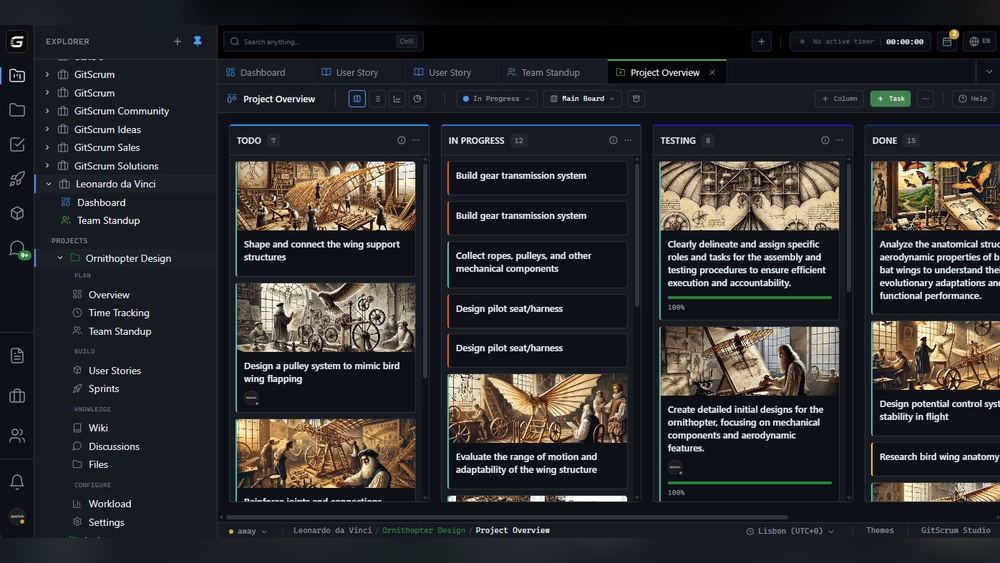
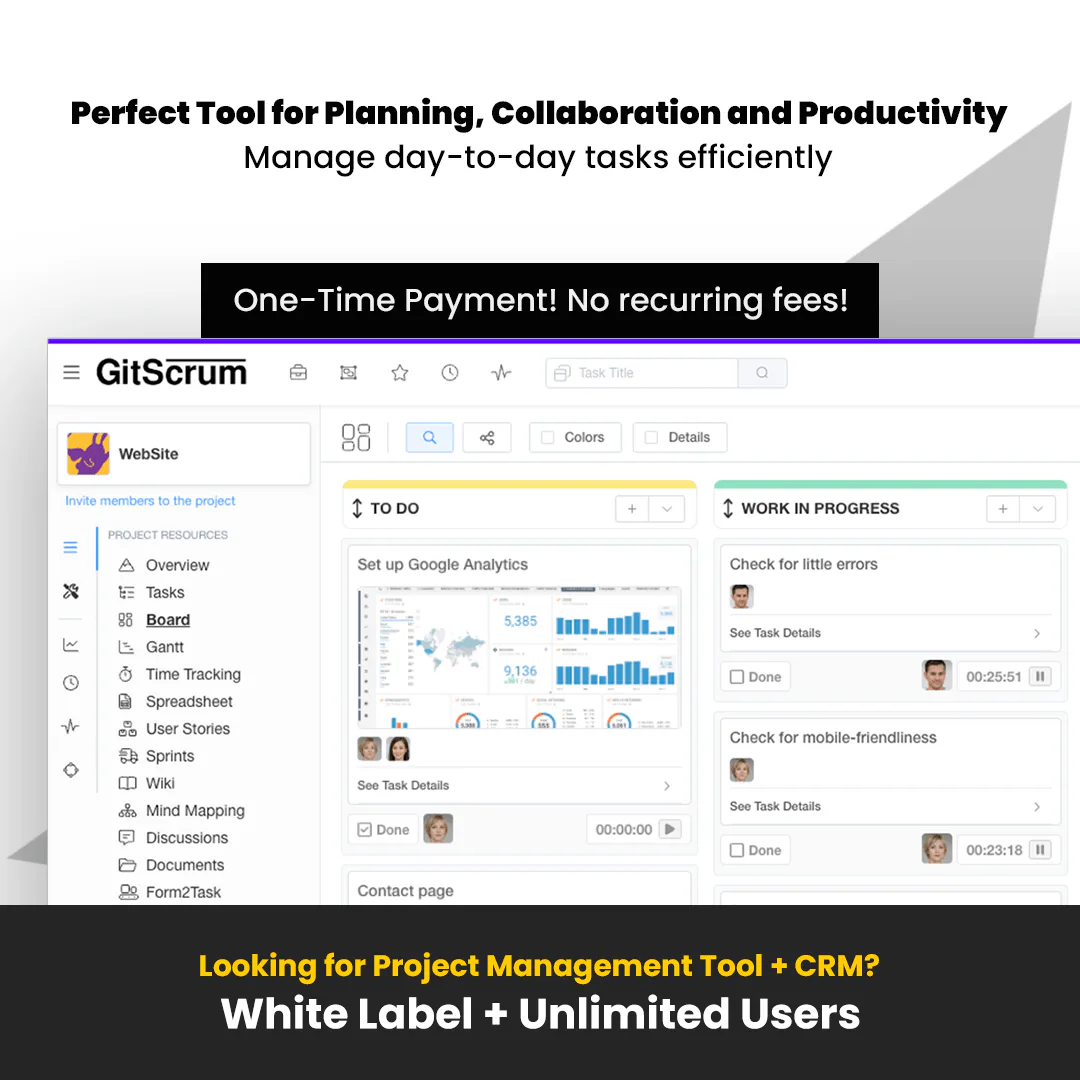
Gitscrum focuses on simple task management and team collaboration. It suits startups and small teams aiming for agile workflows. The platform supports:
- Task and sprint management
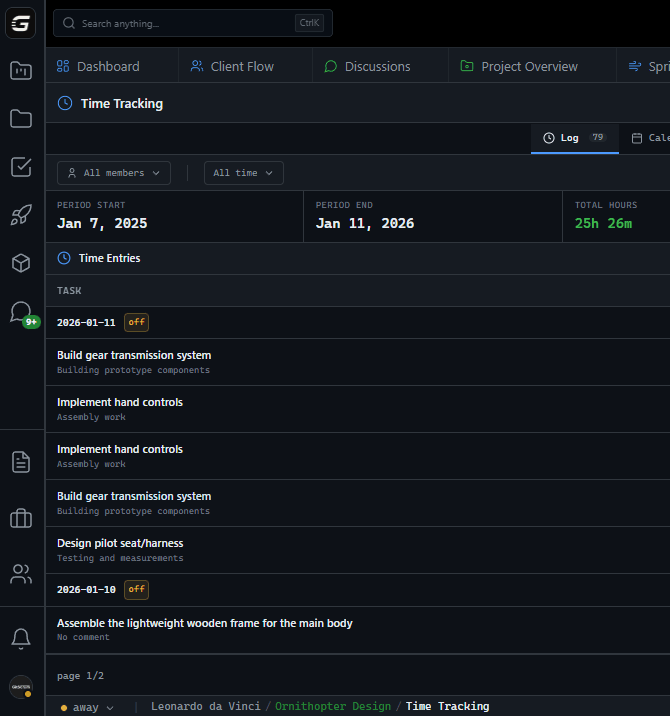
- Time tracking
- Collaborative discussions
- Easy project visibility
Users prefer Gitscrum for its lightweight design and quick setup. It helps teams organize work without heavy complexity.
Overview Of Clickup: Purpose And Target Audience
ClickUp aims to maximize human productivity by uniting apps, AI, and people. It targets a wide range of users, including:
- Freelancers
- Small businesses
- Large enterprises
ClickUp offers:
- Task and project tracking
- Custom workflows and automation
- Document management
- Time tracking and goal setting
- Integration with many tools
The platform replaces multiple apps by centralizing work in one place. It fits teams needing advanced features and flexibility.
Why Comparing Gitscrum And Clickup Matters For Project Success
Choosing the right tool impacts project outcomes. Both platforms offer task management but differ in features and complexity. Consider these points:
| Aspect | Gitscrum | ClickUp |
|---|---|---|
| Complexity | Simple, lightweight | Feature-rich, customizable |
| Target Users | Startups, small teams | Freelancers to enterprises |
| Core Strength | Agile task and sprint management | All-in-one productivity platform |
| Setup Time | Quick and easy | Requires configuration |
Matching tool capabilities with team needs enhances productivity. Understanding differences guides better decisions for project success.
Credit: www.softwareadvice.ie
Key Features Of Gitscrum
Gitscrum offers a set of powerful features designed to boost productivity and simplify project management. It focuses on task organization, team collaboration, and agile methodologies. These features help teams stay on track and complete projects efficiently.
Task Management And Collaboration: Simplifying Teamwork
Gitscrum provides an intuitive system for managing tasks. Users can create, assign, and track tasks easily. It supports task prioritization and deadlines to keep the team focused.
- Task assignment: Assign tasks to team members quickly.
- Task status updates: Track progress with clear status labels.
- Comments and attachments: Communicate directly on tasks with notes and files.
- Notifications: Stay informed with real-time alerts.
Team members collaborate seamlessly inside the platform, reducing email overload. This creates a transparent and productive environment.
Sprint Planning And Agile Support: Enhancing Development Cycles
Gitscrum supports agile project management with built-in sprint planning tools. Teams can define sprint goals, assign user stories, and monitor progress through burndown charts.
- Sprint creation: Set clear timeframes for work cycles.
- Backlog management: Organize and prioritize tasks for upcoming sprints.
- Burndown charts: Visualize sprint progress and team velocity.
- Agile boards: Use Kanban or Scrum boards to track work flow.
This agile support helps teams deliver work in smaller, manageable increments. It keeps development cycles organized and predictable.
Integration Capabilities: Connecting Your Workflow
Gitscrum connects with popular tools to streamline workflows. Integrations allow data to flow smoothly between apps, saving time and effort.
| Integration | Purpose |
|---|---|
| Slack | Receive task notifications and updates in real time |
| GitHub | Link code repositories with project tasks |
| Google Drive | Attach files and documents directly to tasks |
| Zapier | Automate workflows with hundreds of apps |
These integrations reduce manual work and keep your team connected.
User Interface And Usability: Streamlining Daily Operations
The Gitscrum interface is clean and easy to navigate. It helps users find information quickly and manage tasks without confusion.
- Dashboard: Overview of all projects and tasks at a glance.
- Drag-and-drop: Move tasks easily between columns or sprints.
- Responsive design: Works well on desktops, tablets, and mobiles.
- Customization: Personalize views to match your workflow.
Simple controls and clear layouts reduce learning time and boost daily productivity.
Key Features Of Clickup
ClickUp offers a powerful set of features designed to fit many types of workflows. It combines task management, documentation, and communication in one platform. The tool adapts well to different team needs and helps improve productivity through automation and insights. Below are some key features that make ClickUp a versatile choice.
Highly Customizable Views: Catering To Diverse Workflow Needs
ClickUp supports various views to match how teams work. Users can switch between:
- List view: Clear task lists with statuses and priorities.
- Board view: Kanban-style boards for visual task tracking.
- Calendar view: Schedule tasks and deadlines easily.
- Gantt chart: Visualize project timelines and dependencies.
- Box view: Overview of team workload and tasks.
Each view is fully customizable. Filters and sorting options help users focus on what matters most. This flexibility suits teams with different workflow styles.
All-in-one Platform: Combining Docs, Tasks, And Communication
ClickUp brings multiple work tools into a single platform:
- Docs: Create and share rich documents with teammates.
- Tasks: Manage detailed task lists with subtasks and checklists.
- Chat: Real-time messaging for quick team communication.
- Comments: Add comments directly on tasks or docs to keep context.
This integration reduces app switching. Teams keep all work and communication in one place, saving time and avoiding confusion.
Automation And Time Tracking: Boosting Efficiency
ClickUp offers automation features to reduce repetitive work:
- Set rules to change task status or assign owners automatically.
- Trigger notifications based on task updates.
- Automate recurring tasks to save setup time.
Built-in time tracking lets users log work hours directly on tasks. This helps monitor productivity and project costs without extra tools.
Robust Reporting And Analytics: Informed Decision-making
ClickUp provides detailed reports and dashboards to track progress:
| Report Type | Purpose | Benefits |
|---|---|---|
| Task Completion | Monitor how many tasks are done over time | Identify bottlenecks and pace of work |
| Time Tracking | Analyze logged hours per project or team member | Manage resource allocation and billing |
| Workload | View team capacity and task distribution | Balance work and prevent burnout |
Custom dashboards allow users to focus on key metrics. Clear data supports better planning and decision-making.
Pricing And Affordability Breakdown
Understanding pricing and affordability helps choose the right project tool. Both Gitscrum and ClickUp offer tiered plans. Each suits different team sizes and needs. This section compares their pricing models and value for money.
Gitscrum Pricing Tiers And Value Proposition
Gitscrum offers a straightforward pricing system. It includes a free plan and paid tiers with added features.
| Plan | Monthly Cost | Main Features |
|---|---|---|
| Free | $0 | Basic task management, limited projects, and users |
| Pro | $9/user | Unlimited projects, integrations, and priority support |
| Enterprise | Custom pricing | Advanced security, dedicated support, custom features |
The Pro plan is popular for small to medium teams. It balances cost with enhanced productivity tools. Enterprise suits large organizations needing more control and support.
Clickup Pricing Plans And Cost-effectiveness
ClickUp provides flexible pricing with rich features across all plans.
| Plan | Monthly Cost | Main Features |
|---|---|---|
| Free | $0 | Unlimited tasks, members, and 100MB storage |
| Unlimited | $5/user | Unlimited storage, integrations, dashboards, and guests |
| Business | $12/user | Advanced automations, goals, and workload management |
| Enterprise | Custom pricing | Enterprise-grade security, white labeling, and support |
ClickUp’s Unlimited plan offers strong features at a low cost. Business plan adds tools for growing teams. Enterprise fits complex needs.
Comparative Analysis: Which Offers Better Roi?
Both platforms provide free plans for basic use. ClickUp’s free plan covers unlimited tasks and members. Gitscrum’s free plan is more limited.
- Cost per user: ClickUp starts lower at $5 vs. Gitscrum’s $9 for paid plans.
- Features: ClickUp offers more built-in features across tiers.
- Scalability: Both scale well, but ClickUp suits larger teams with advanced needs.
ROI depends on team size and required features. Small teams may find Gitscrum simpler and affordable. Larger teams benefit from ClickUp’s extensive tools and integrations.
ClickUp offers better value for money with deeper features at a lower cost per user. Gitscrum fits teams seeking straightforward project management without extra bells and whistles.
Pros And Cons Based On Real-world Usage
Choosing between Gitscrum and ClickUp depends on how each tool fits your daily workflow. Both offer unique features that help teams manage tasks and projects. Understanding their strengths and limitations from actual user experiences helps make a better decision.
Strengths And Limitations Of Gitscrum
Gitscrum is favored for its simplicity and focus on agile project management. It offers clear task tracking and team collaboration features. Users appreciate its straightforward design, which reduces the learning curve.
- Strengths:
- Easy to use with a clean interface
- Strong support for agile methodologies like Scrum and Kanban
- Effective task assignment and deadline tracking
- Good for small to medium teams
- Limitations:
- Lacks advanced automation and integrations
- Limited customization options
- Not ideal for complex or large-scale projects
- Fewer reporting and analytics features
Strengths And Limitations Of Clickup
ClickUp is a powerful all-in-one productivity platform that combines many tools in one place. It supports task management, docs, goals, and automation, appealing to diverse teams.
| Strengths | Limitations |
|---|---|
|
|
User Feedback And Common Challenges
Users of both platforms report mixed experiences depending on their needs. Gitscrum is praised for its ease and focus but may frustrate users needing deep customization or automation.
ClickUp receives positive feedback for its wide feature set and flexibility. Yet, some users find its complexity slows down simple workflows and requires more training.
- Gitscrum Challenges: Limited features for advanced project tracking.
- ClickUp Challenges: Overwhelming interface and feature overload.
- Both platforms benefit from active customer support and community forums.
- Choosing depends on team size, project complexity, and preferred workflows.
Credit: gitscrum.com
Ideal Users And Use Case Recommendations
Choosing the right project management tool depends on your team’s size, workflow, and goals. Both Gitscrum and ClickUp offer unique strengths suited for different users and scenarios. Understanding which tool fits your needs helps improve productivity and task management without extra complexity.
Who Should Choose Gitscrum: Best Fit Scenarios
Gitscrum is ideal for small to medium teams focused on agile and collaborative projects. It suits teams that want:
- Simple task and sprint management
- Clear visualization of project progress
- Easy collaboration without a steep learning curve
Teams working on software development, marketing campaigns, or startups benefit from Gitscrum’s straightforward approach. It works well for users who prioritize quick setup and basic scrum features over extensive customization.
Who Should Choose Clickup: Optimal Use Cases
ClickUp fits a wide range of users from freelancers to large enterprises. It excels in scenarios requiring:
- All-in-one platform to replace multiple apps
- Advanced customization for workflows and task views
- Integration with AI agents and automation
- Complex project tracking with time management
ClickUp is suitable for teams needing detailed task management, goal tracking, and collaboration across departments. Its flexibility supports industries like IT, marketing, design, and operations.
Decision-making Tips For Selecting The Right Tool
- Assess team size and complexity: Small teams benefit from Gitscrum’s simplicity, while larger ones need ClickUp’s scalability.
- Identify workflow needs: Use Gitscrum for agile, sprint-based projects; choose ClickUp for varied task types and automation.
- Evaluate feature priorities: Pick Gitscrum for core scrum features; opt for ClickUp if you want integrations and customizable dashboards.
- Consider ease of use: Gitscrum is user-friendly for beginners; ClickUp requires some time to learn but offers deeper control.
- Budget and future growth: Gitscrum suits lean budgets; ClickUp scales with growing teams and complex projects.
Use this guide to match your team’s needs with the right tool, ensuring efficient task management and better productivity.
Conclusion: Making The Right Choice For Project Success
Choosing between Gitscrum and ClickUp shapes your project’s efficiency and teamwork. Both tools offer unique strengths tailored to different workflows. Understanding their key differences and matching them with your team’s needs ensures smoother project execution and better results.
Summary Of Key Differences And Benefits
| Feature | Gitscrum | ClickUp |
|---|---|---|
| Primary Focus | Simple task tracking and collaboration | All-in-one productivity platform |
| Task Management | Basic task boards and lists | Advanced task views (Kanban, Gantt, Calendar) |
| Customization | Limited customization options | Highly customizable workflows and dashboards |
| Integrations | Supports essential integrations | Wide range of app and AI integrations |
| Team Size Suitability | Small to medium teams | From small groups to large enterprises |
ClickUp excels in flexibility and extensive features. Gitscrum keeps things straightforward and easy to use.
Final Recommendations Based On Team Needs
- Choose Gitscrum if your team needs quick setup and simple task management.
- Pick ClickUp for diverse projects requiring deep customization and powerful automation.
- Teams with multiple departments or complex workflows benefit from ClickUp’s unified platform.
- Smaller teams or startups may prefer Gitscrum’s simplicity and focus.
- Consider your team’s tech comfort level and project complexity before deciding.
Future Outlook: Trends In Project Management Tools
Project management tools evolve rapidly to support hybrid and remote work models. Expect:
- Increased AI integration for automated task assignment and smart notifications.
- More unified platforms combining communication, files, and project tracking.
- Enhanced customization to fit unique workflows and industry needs.
- Mobile-first design for on-the-go project updates and collaboration.
- Data-driven insights to improve productivity and team performance.
ClickUp is already moving toward these trends with AI agents and all-in-one features. Gitscrum may appeal to teams valuing simplicity amid these changes.

Credit: leokoo.com
Frequently Asked Questions
Is There Anything Better Than Clickup?
Several tools can surpass ClickUp depending on your needs. Monday. com excels in visual workflows, Asana offers simple task management, and Jira suits software teams. Notion, Trello, Wrike, and Airtable also provide strong alternatives tailored to specific project types and team preferences.
Is Clickup Really Better Than Jira?
ClickUp suits teams needing versatile, all-in-one workflow customization. Jira excels in agile software development and deep issue tracking. Choose based on your team’s specific needs and project complexity. Neither tool is universally better; both serve different purposes effectively.
Which Is Cheaper, Trello Or Clickup?
Trello offers a free plan with basic features, making it cheaper initially. ClickUp provides more features in its free and paid plans but costs slightly more for advanced use. Choose based on your feature needs and budget.
Is Smartsheet Better Than Clickup?
Smartsheet excels in spreadsheet-based project tracking and suits teams preferring familiar interfaces. ClickUp offers more customization and versatile workflows. Choose Smartsheet for structured planning; pick ClickUp for all-in-one task and project management with diverse features. The best option depends on your team’s specific needs.
Conclusion
Choosing between Gitscrum and ClickUp depends on your team’s needs. Gitscrum suits teams focused on Agile and simple task tracking. ClickUp offers more features and customization for varied workflows. Both tools help organize work and boost productivity. ClickUp’s all-in-one platform combines apps and AI in one place. Explore ClickUp further to see if it fits your style: ClickUp. Assess your priorities and pick the tool that matches your work best.